Mum and I headed to Uralla along the tourist drive.
They sound hokey, but tourist drives are well worth it – they pass a lot of points of interest and usually have gorgeous scenery.
First, we passed the war memorial:
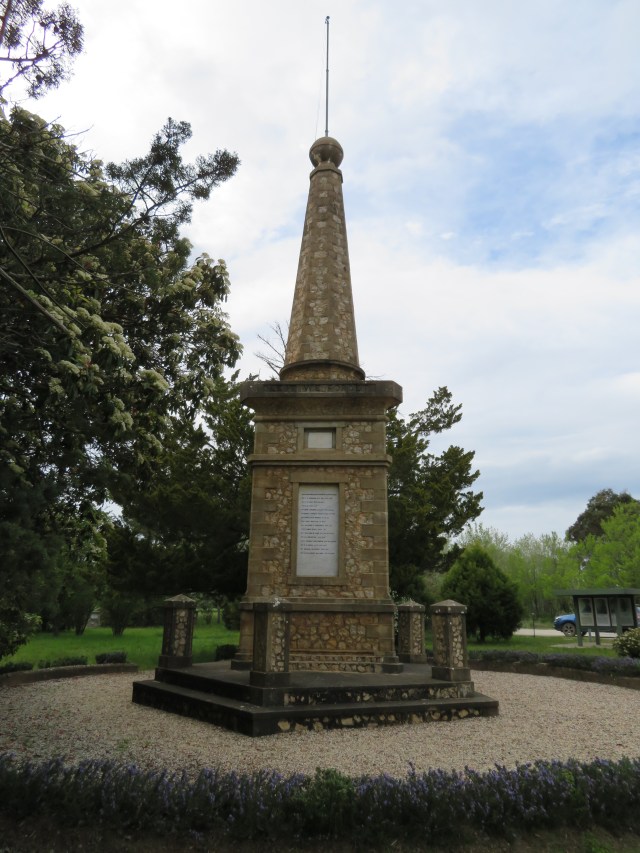
It was built by Alfred Haroldston Perrot on his own land in 1921, after he lost his eldest son in WWI.
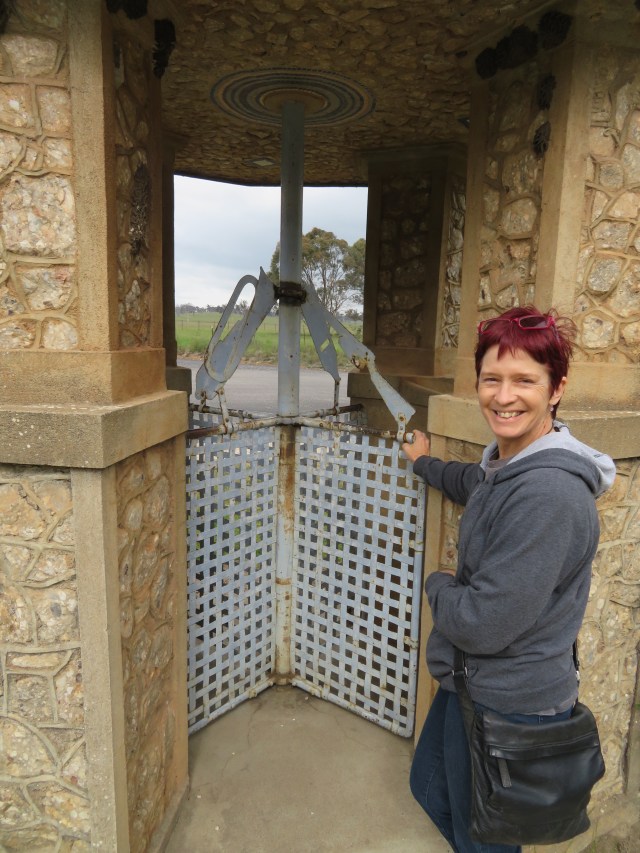
Mum at the turnstile entrance to the memorial – symbols of the army and navy were worked into the metal:
Down the road, we passed a property called ‘Ent Haven’. You can see how it got its name:
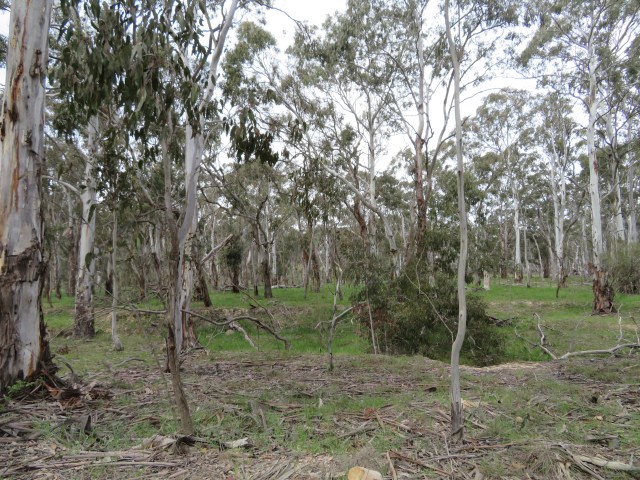
That’s a lot of old trees.
The Deeargee Woolshed:
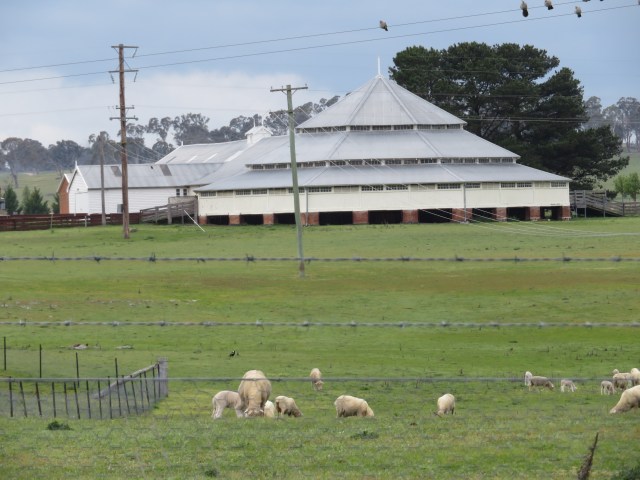
Built in 1872, it was then the largest shearing shed in the world. Originally part of Gostwyck station, it gained its name from the old Gostwyck wool brand – ‘Dangar, Gostwyck’, shortened to DRG.
There was a fierce wind whipping up, and I filmed these crested pidgeons trying to keep their balance on power lines:
The next stop on the drive was Gostwyck Chapel:
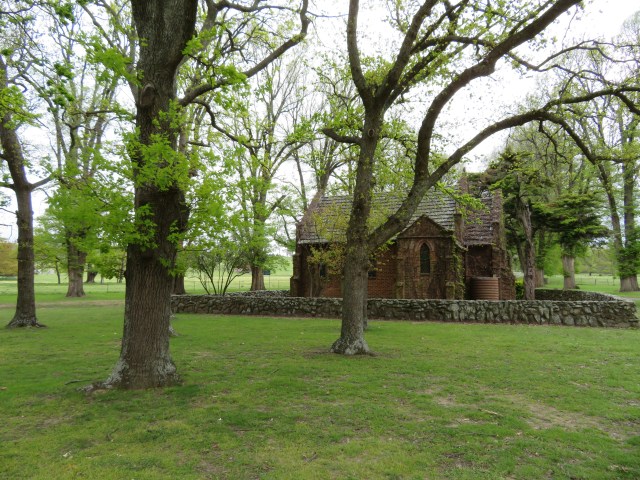
Officially known as ‘All Saints Anglican Church’, this chapel was built in 1921 in memory of Major Clive Collingwood Dangar who died in WWI.
Some different angles:


I also filmed a silvereye fluttering about in the trees:
Then we were in Uralla. Near the tourist information centre, we spotted the statue of the bushranger ‘Thunderbolt’:
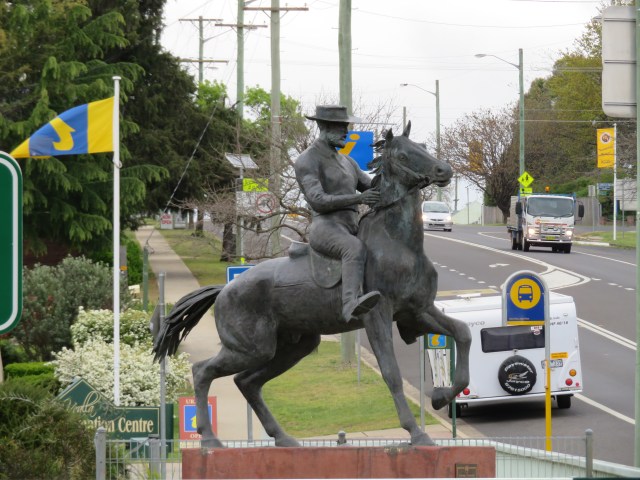
‘Captain Thunderbolt’ was born Fredrick Ward in 1835, and is renowned for being the longest roaming bushranger in Australian history. He lived almost seven years as an outlaw.
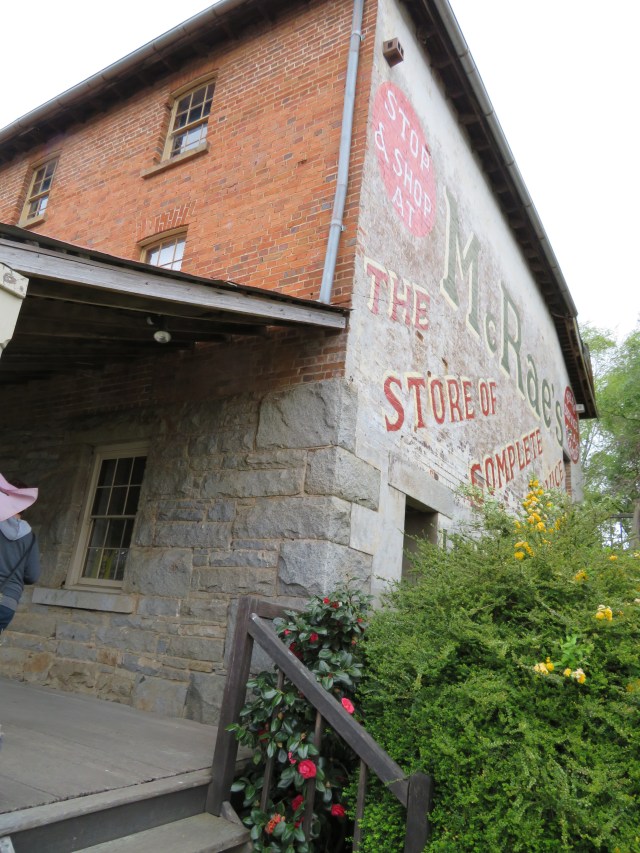
The museum, located in McCrossin’s mill:
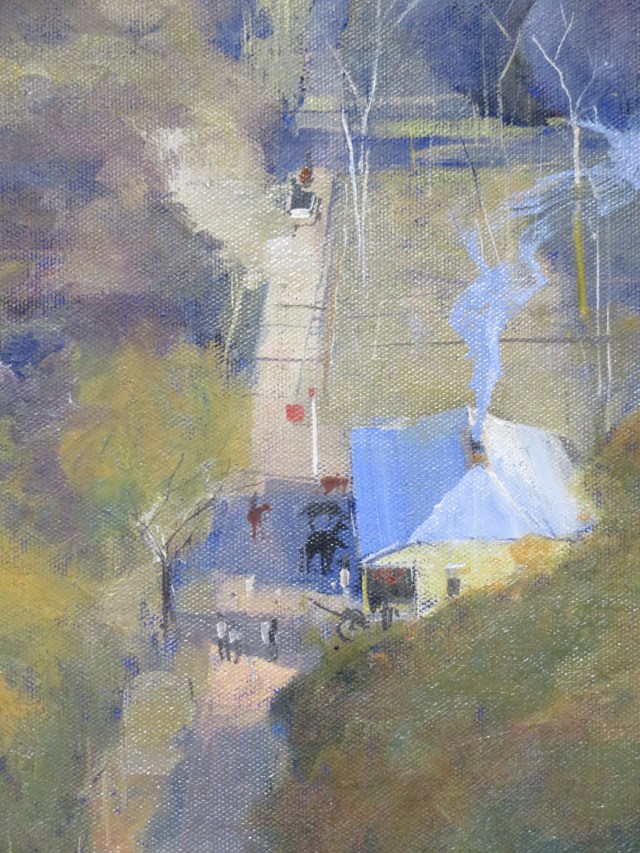
The first thing we saw when we entered was a series of nine paintings depicting the death of Thunderbolt. Here are the paintings, accompanied by the explanation, click on them if you want to see a bigger version:


Detail:


Detail:
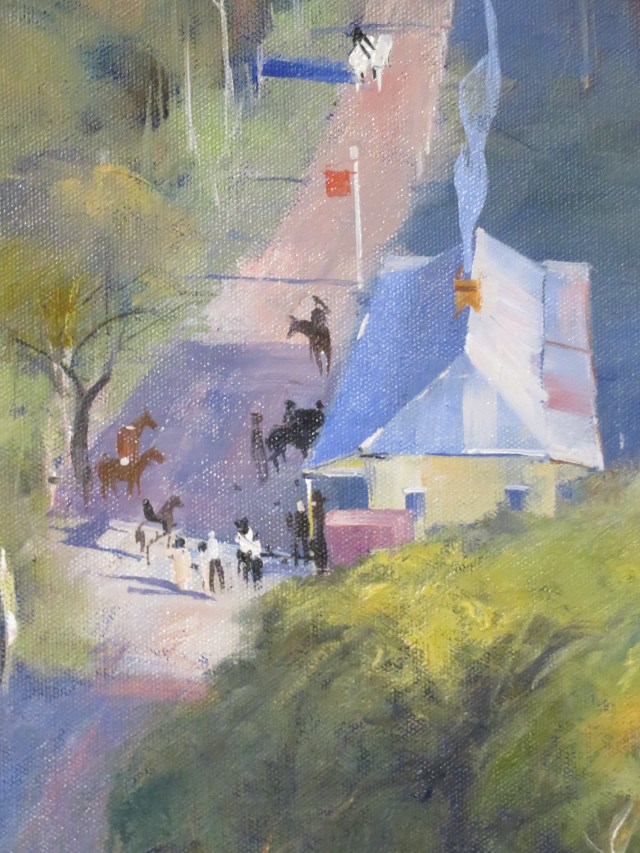


Detail:


Detail:
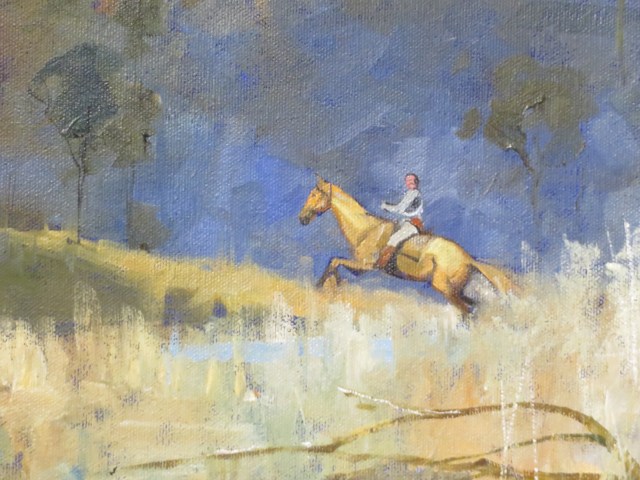


Detail:
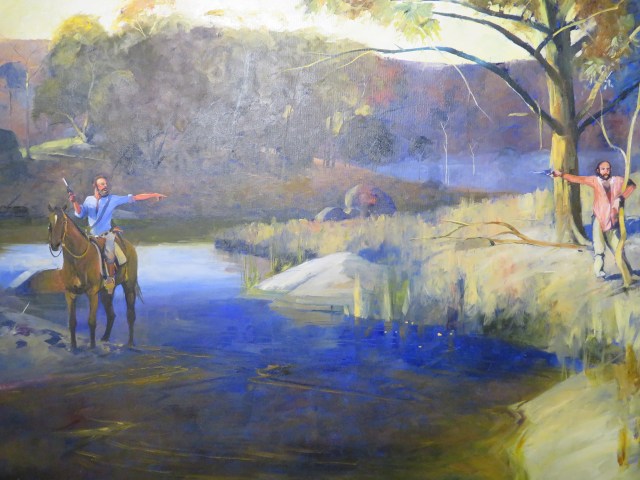


Detail:
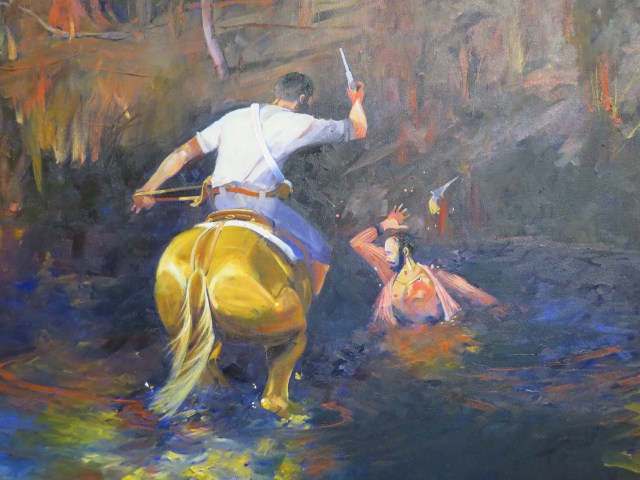
Those alone were worth the price of admission. I’ve never really known much about Thunderbolt, but the paintings are gorgeous.
Now, onto the regular historical museum fare!
Mitchell Hand Winnower:


Used to clean the harvested grain by removing husks and dust.
Corn-Husker:

It has a familiar brand name (at least, to anyone who knows Loony Tunes):
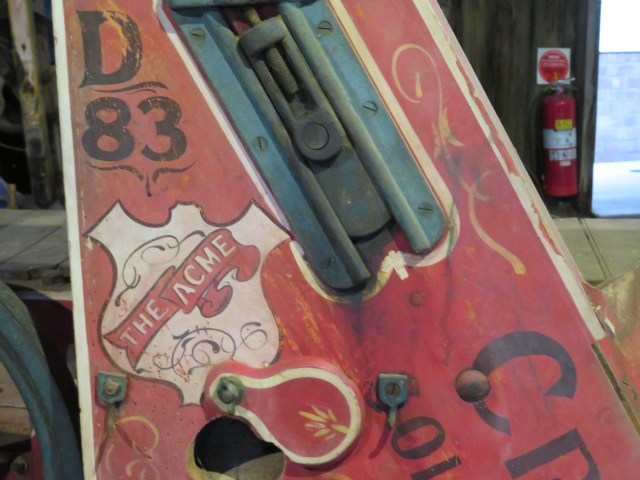
Yes, that little shield does indeed read ‘Acme’.
Horse-drawn orchard sprayer (used to distribute fungicide or insecticide):

Apple-box assembly devices:


As the name suggests, these would have assembled boxes for apples to be transported in. The first one is the commercial version, the other is homemade.
A variety of seats:


You can pick out the make-do ones, but they all look pretty good. Not so for this one:


Honestly, you would have been better off just sitting on the dirt.
A pram modified to bring in firewood:

Apparently, it was only used twice – it wasn’t modified very well, and kept falling over.
A kangaroo weathervane:
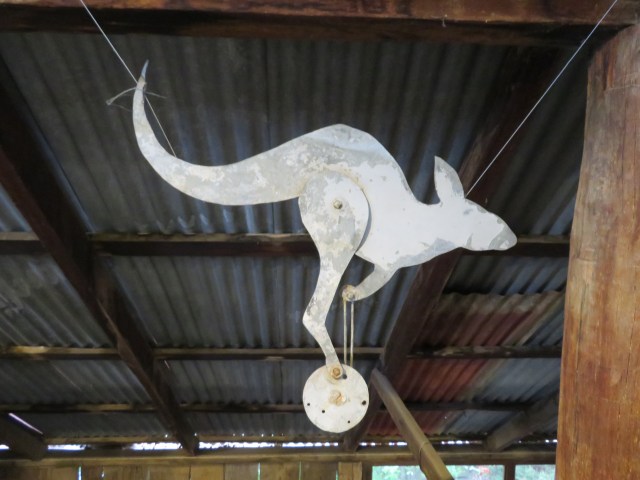
This was made by the same person who modified the pram above. The weathervane fell down in a storm, so I think it’s safe to say inventing wasn’t their strong point.
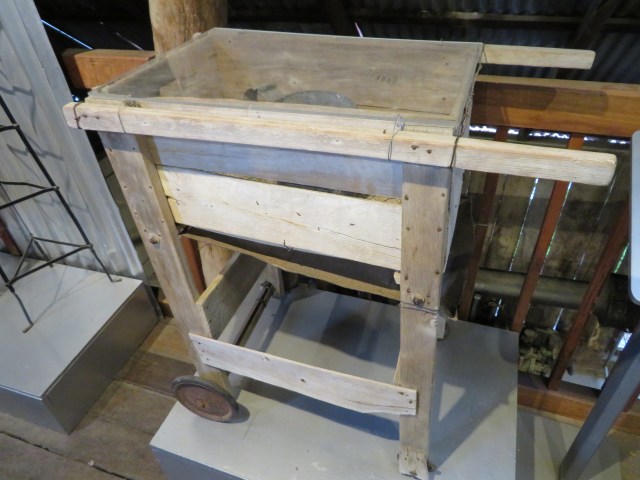
A much-smarter conversion of a fruit-packing case into a washing trolley:
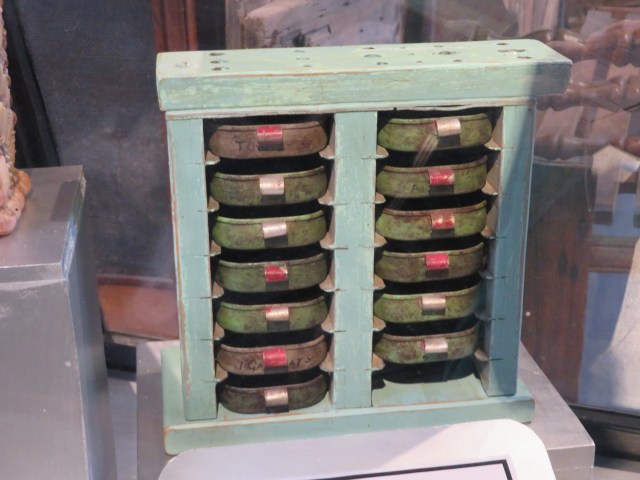
A chest with drawers made from sardine tins:
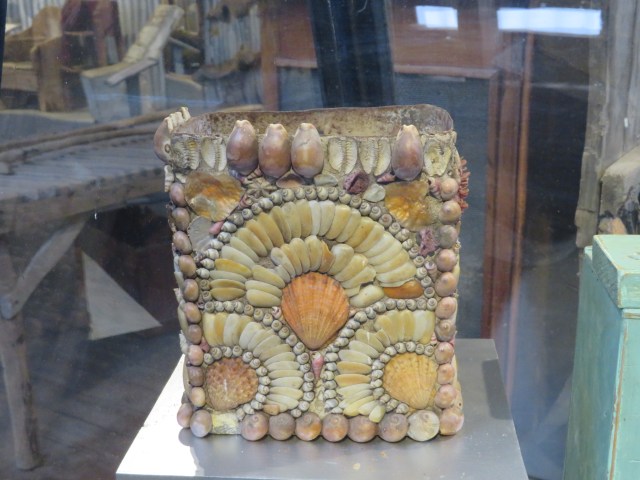
A seashell tea caddy:
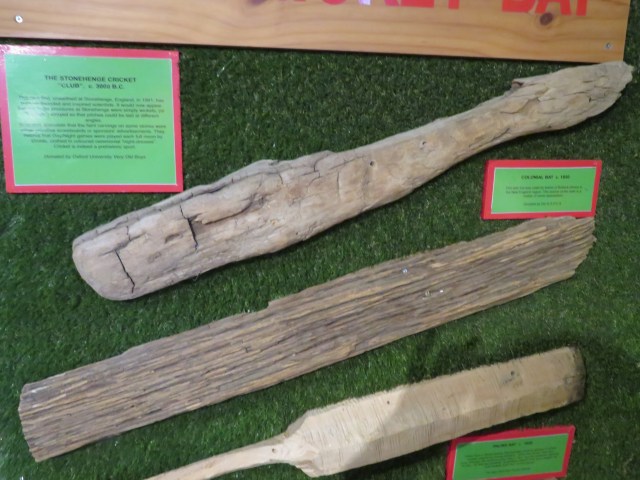
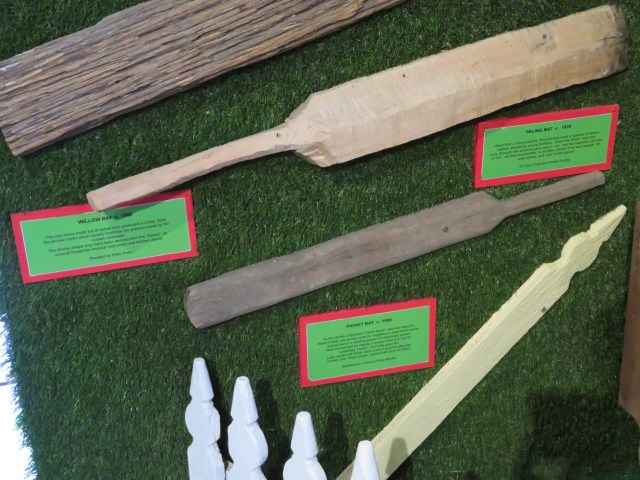
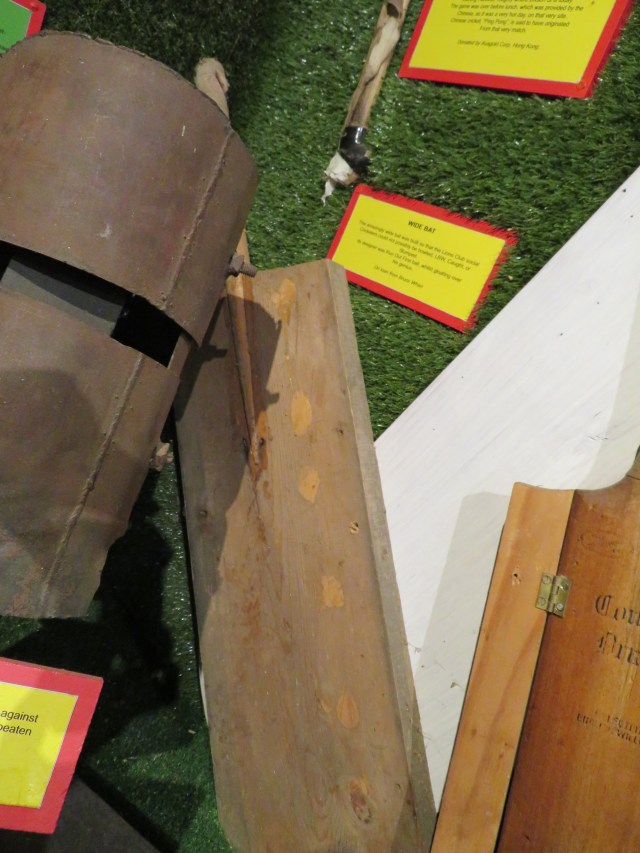
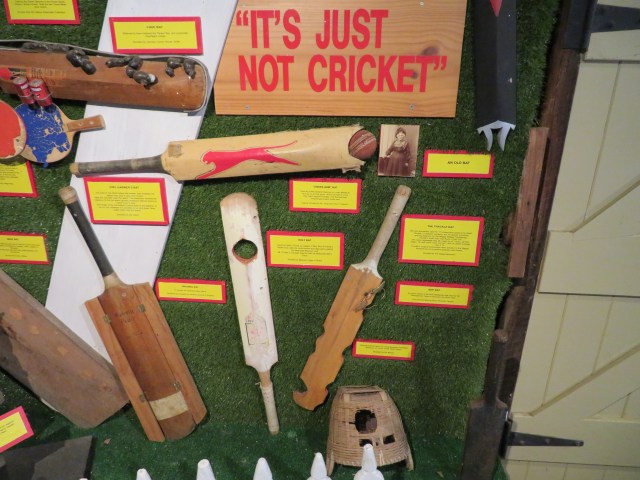
A tongue-in-cheek exhibit called ‘the evolution of the cricket bat’:


The ‘stonehenge bat’, the ‘colonial bat’ and the ‘willow bat’:
The ‘paling bat’ and the ‘picket bat’:
The ‘wide bat’ and a ‘helmet made by Ned Kelly for a game’:
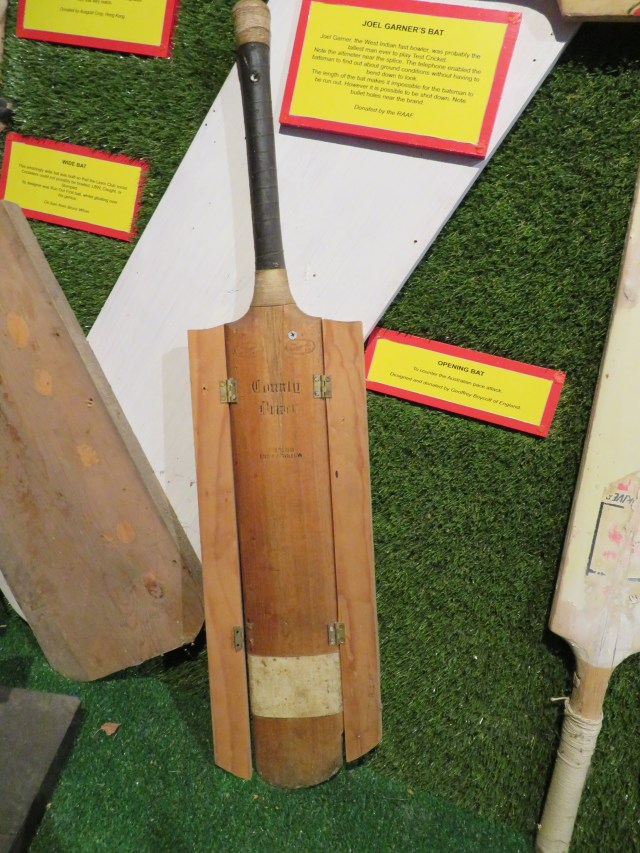
The ‘opening bat’:
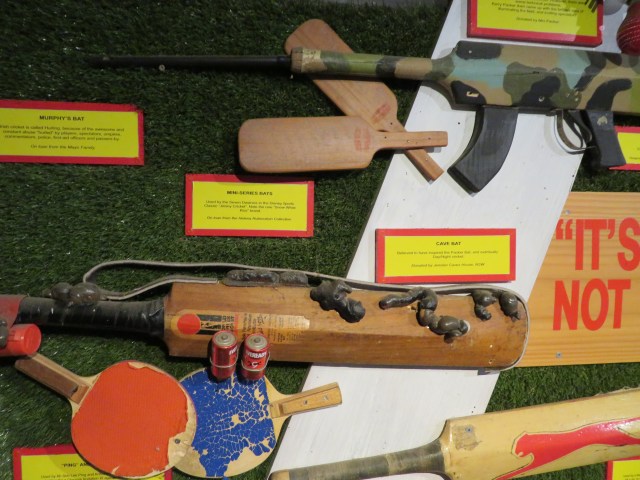
“Ping” and “Pong”:

The ‘cave bat’ and the ‘mini-series bat’:
The ‘combat’ and ‘packer bat’, with lightbulbs along it:

‘Joel Garner’s bat’:


Supposedly the tallest person to ever play cricket. There’s an altimeter attached, and a phone so Joel could ‘find out about the ground conditions without bending down to check’.
The ‘vampire bat’, the ‘underarm bat’ and an ‘old bat’ (the picture of the old woman):

The ‘holy bat’, ‘thackle bat’, ‘BHP Steelworks bat’ and ‘an unusual helmet worn by a long-forgotten Pakastani batsman on a tour of the West Indies’:
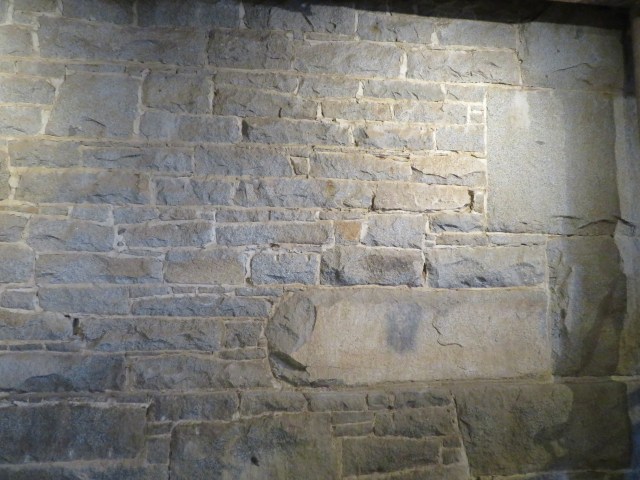
We could see the original stonework of the mill – look at the uneven granite blocks, just thrown together:
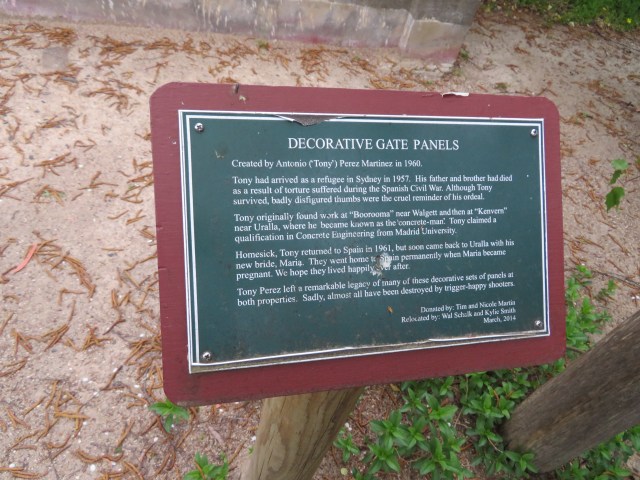
Decorative gate panels we found in the garden:


The explanation:
The garden:


It was quite beautiful, in spite of the wind and rain.
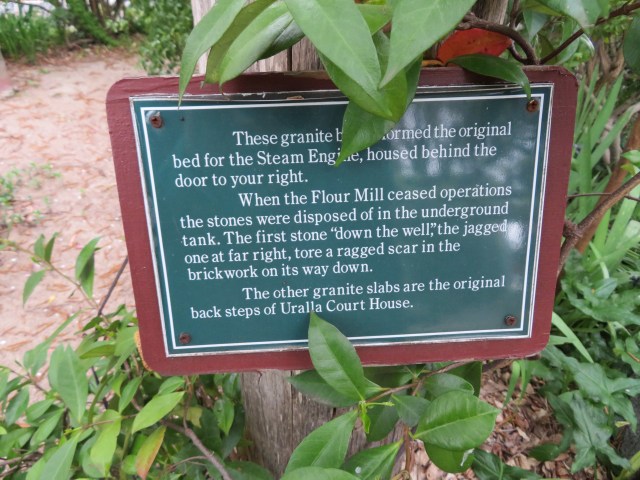
They were using these granite blocks as seats:

The explanation:
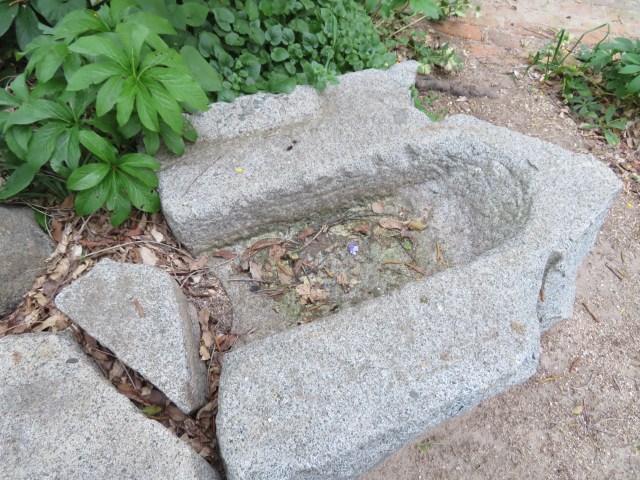
The jagged stone they mentioned:
The flour mill engine room:

A Chinese decorative frieze:


The walking stick collection:


That one that looks like it has scales is meant to be a snake – here’s a close-up:
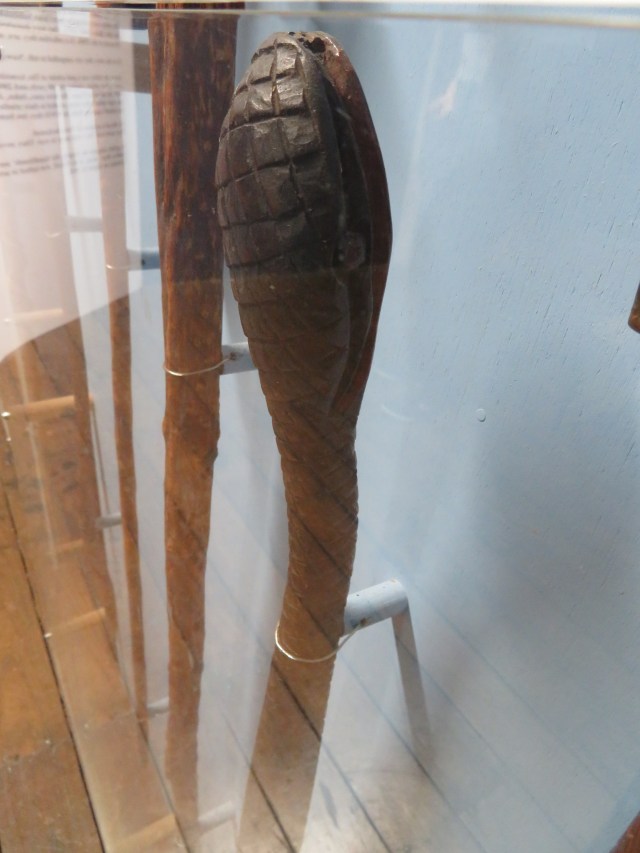
A weirdly impressive collection, huh? Though how the museum came to have it was a sad story. The sticks were collected by James Sandilands and his wife, Aline. The couple had three sons, who all joined the Royal Australian Air Force in WWII and never returned. Their son-in-law was killed, too.
A Juvenile Foresters’ banner, from 1895:


Juvenile Foresters were basically something like the Scouts.
Edward Trickett memorial:
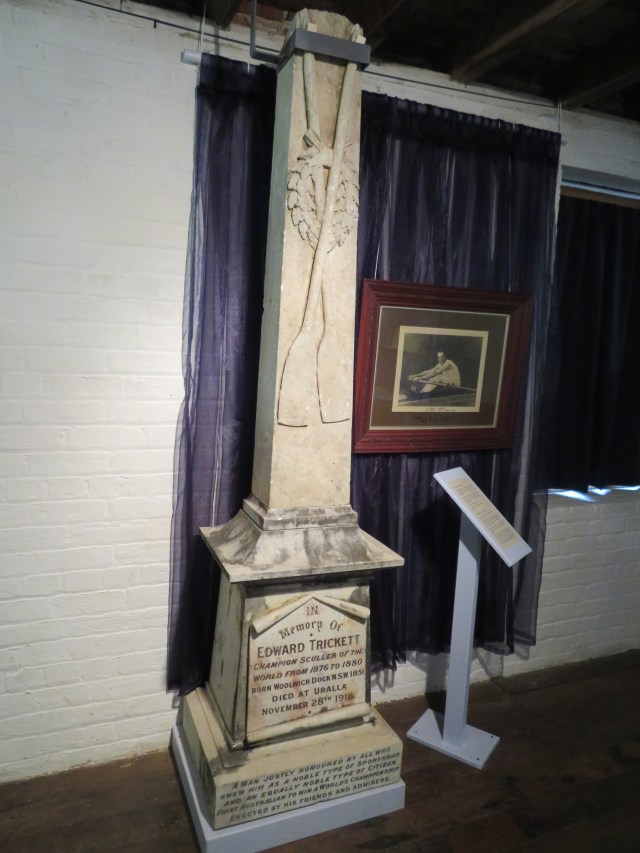
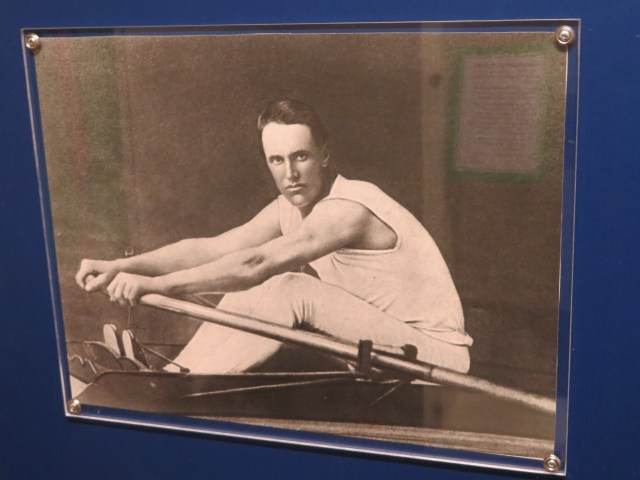
He was an Australian rower, and the first Australian to be recognised as a world champion in any sport. He won the world championship in 1876, and held the title until 1880. He was born in Sydney in 1851 but he died at Uralla in 1916 – he was visiting his son (who ran the general store) and mining for gold as a hobby. The shaft collapsed on Trickett, and he died of his injuries.
Here’s a photo of him:
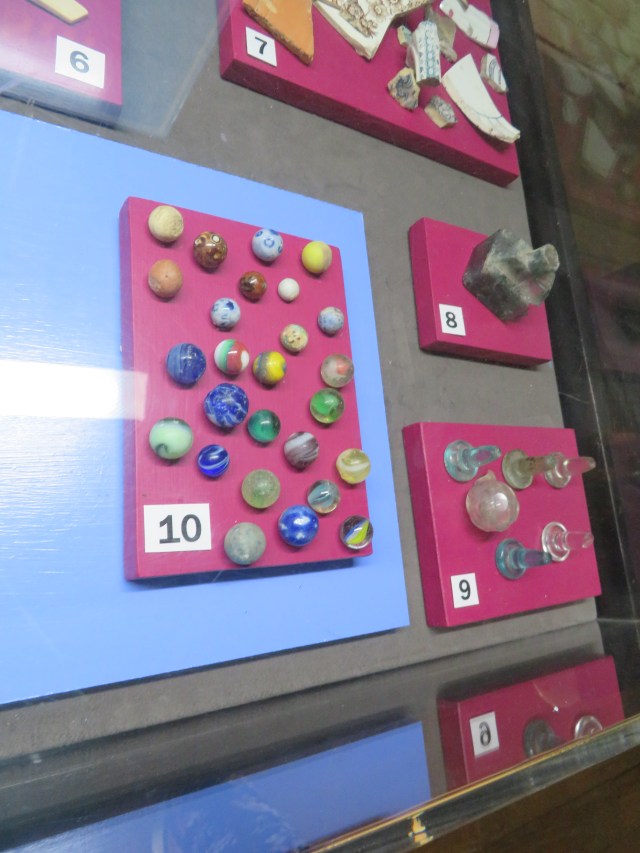
Collection of random things found beneath the oldest house in the town. Marbles, bottle stoppers, and an ink bottle:
Coins found beneath that same house:


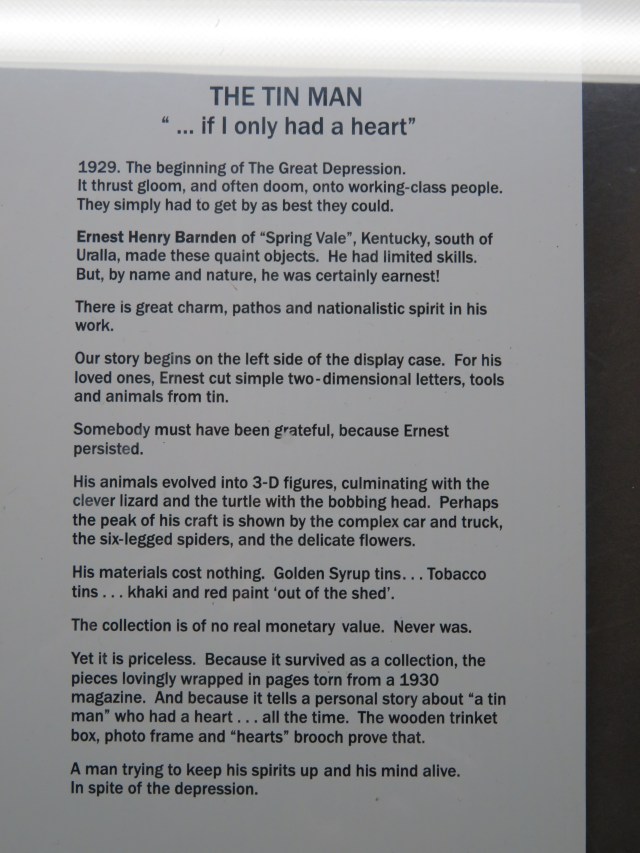
The museum also had a collection of figurines made out of tin (not found beneath the house):


The explanation:
Uralla itself is a town filled with historic buildings, and they offer a nice heritage walk. But it was so windy and rainy Mum and I just walked to a café for lunch, then drove back to Armidale.
 Jenny's Adventures