Today, I set off for the “Land of the Beardies” Museum.
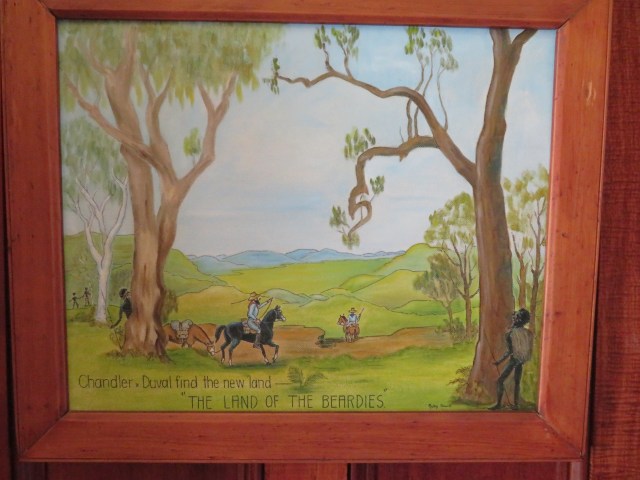
I confess I wanted to visit purely for the title. But I saw some interesting stuff there. Apparently no one knows why the Glen Innes area was called ‘Land of the Beardies’ – the original legend was that two stockmen, Duval and Chandler, discovered rich grazing area to the north of Armidale. They had long beards, and people looking for property were told to ‘look for the beardies’. That story has since been discredited, and now people think it might have something to do with a catfish in the area that’s been called a ‘beardie’, or the dogs brought over from Scotland – bearded collies that are sometimes called ‘beardies’.
The settling of Glen Innes:
An overgrown surveyor’s mark – can you see the arrow in the wood?
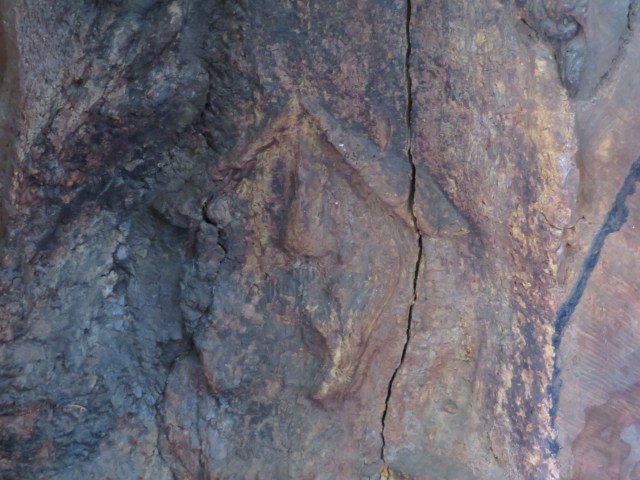
The surveyor cut an arrow into the tree in 1936, and the arrow was then overgrown, leaving a reverse impression.
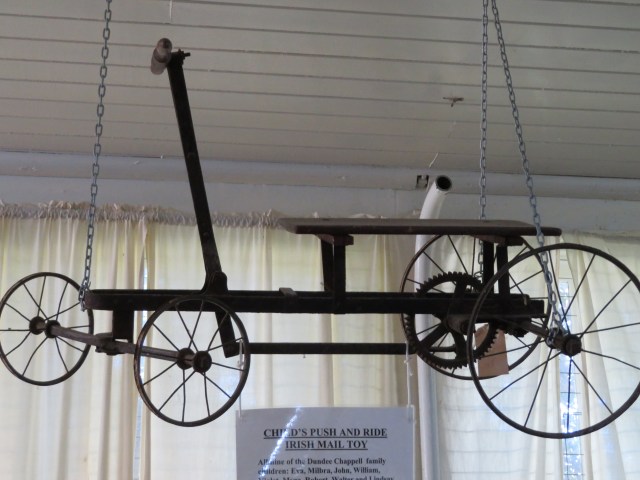
Apparently this particular kind of toy bike is called an Irish mail:
A familiar name:
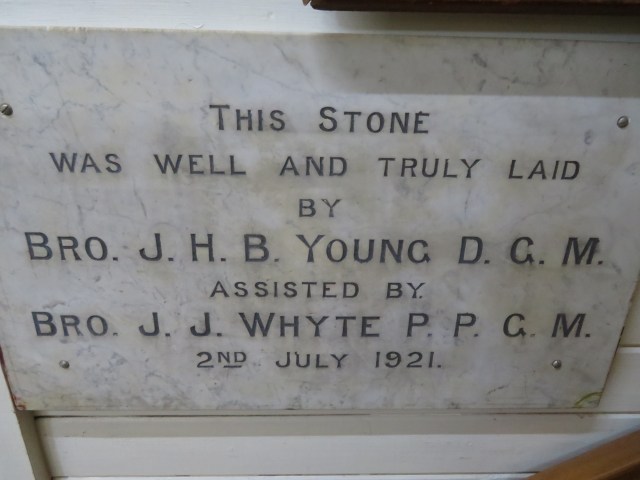
I didn’t take the picture just for the name – I also liked the phrasing ‘well and truly laid’. Apparently they wanted everyone to know they weren’t half-arsing it with the stone.
Part of the first metal roof in Glen Innes:
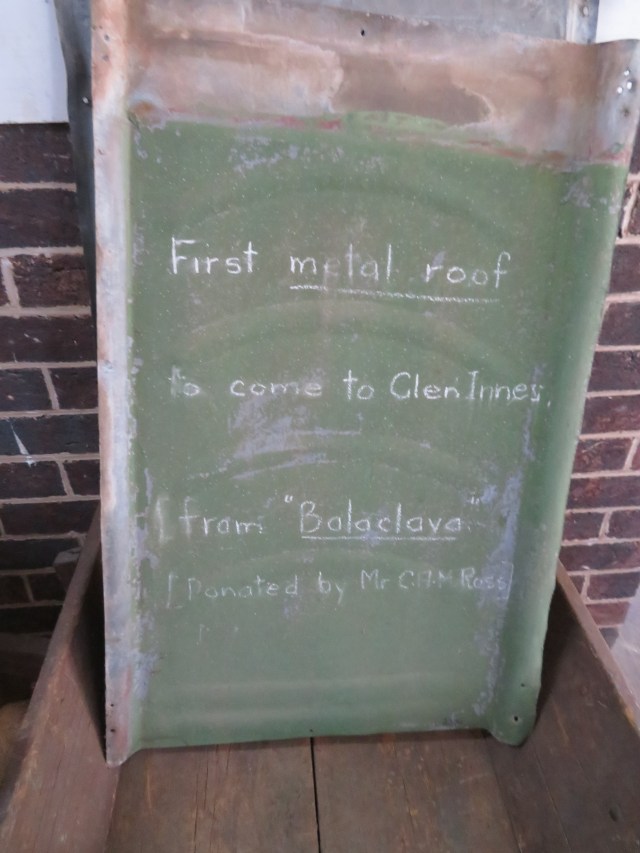
It seems an odd thing to commemorate, but it’s certainly unique.
A lady’s side-saddle:
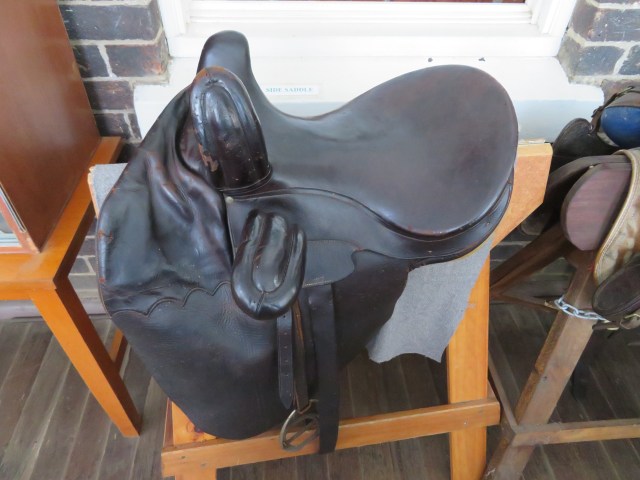
Looks uncomfortable, doesn’t it?
Another toy:
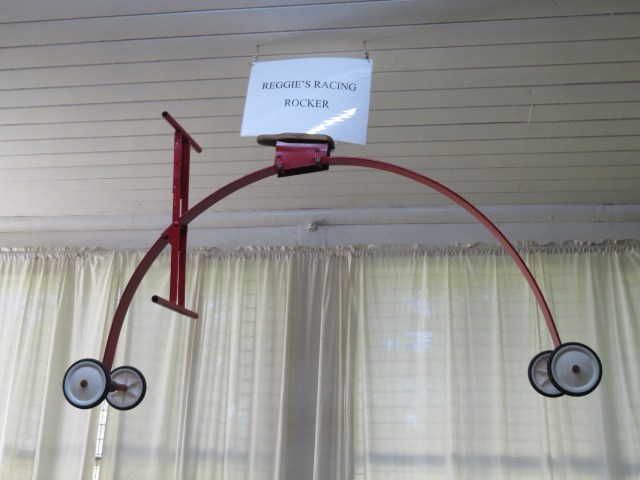
I’m betting ‘Reggie’ fell off a lot.
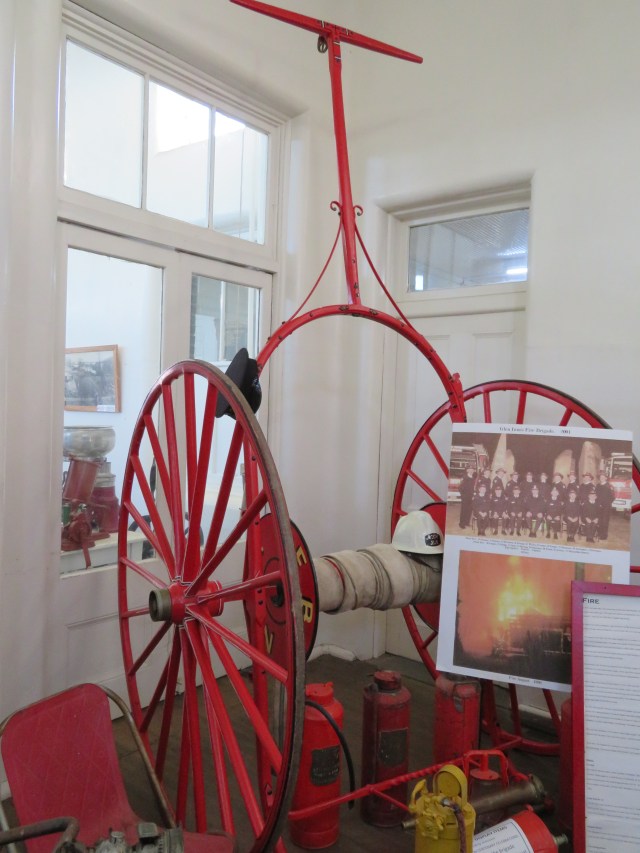
The old firehose:
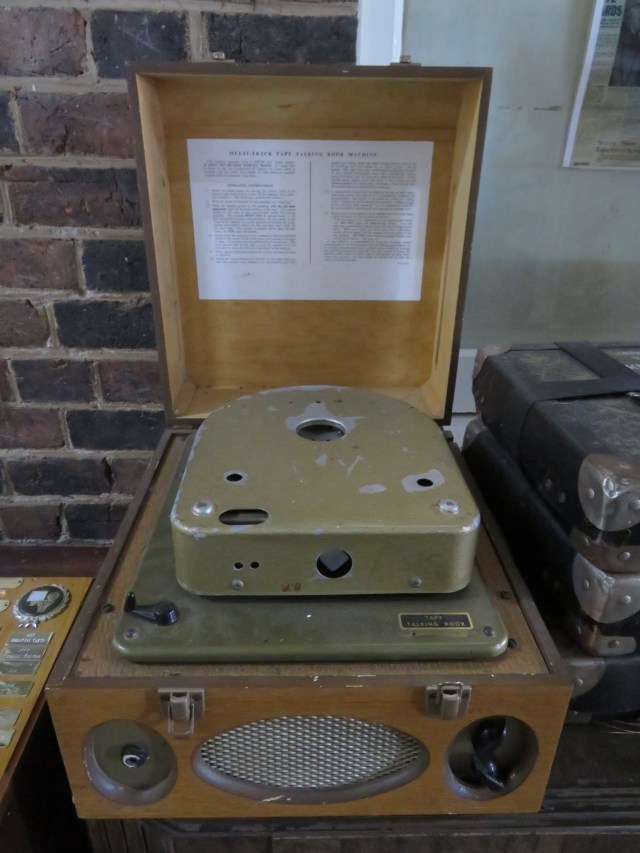
This was labelled as a tape talking book machine. Basically the first audiobook:
A gigantic display boot for the Whyte company:

Yeah, that name again. I guess in a realm of Celtic immigrants it’s going to be fairly prolific.
A ringbarking tool:
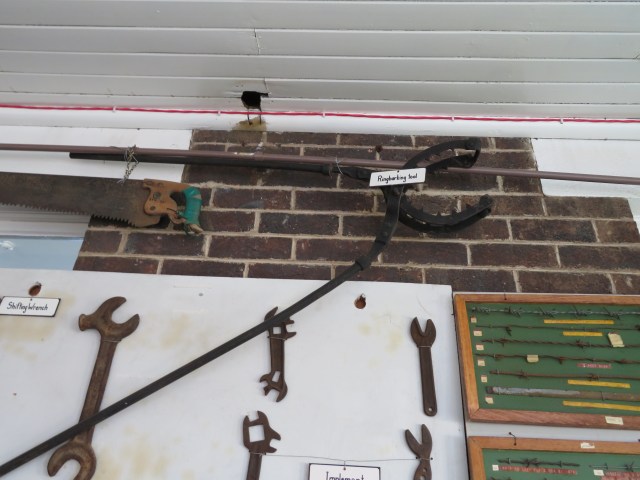
You can see how it would have worked – clamp it on the tree, push it around the trunk, and the tree is dead.
Cobbler’s bunion tool:
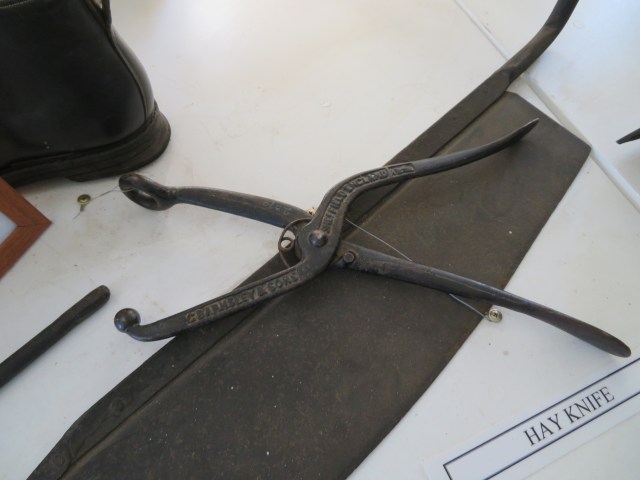
This worked in an interesting way. When someone had a bunion on their foot, the cobbler would use this, slipping the knobby bit into the shoe and using the circle to line it up on the outside. Closing it would deform the shoe just slightly to accommodate the bunion.
The museum had a huge barbed wire collection. What follows is more varieties on barbed wire than I ever knew existed.

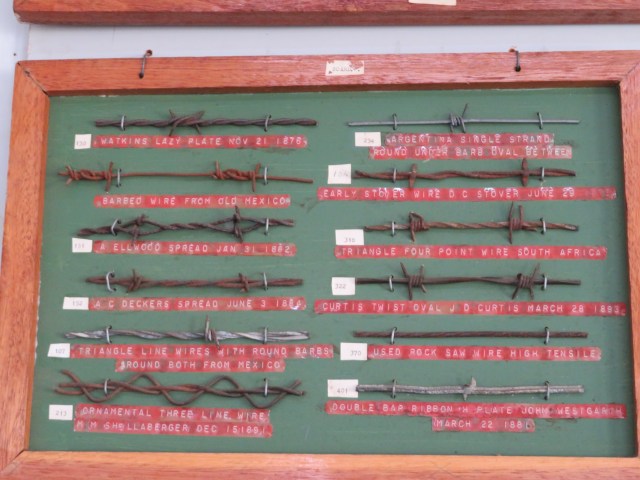


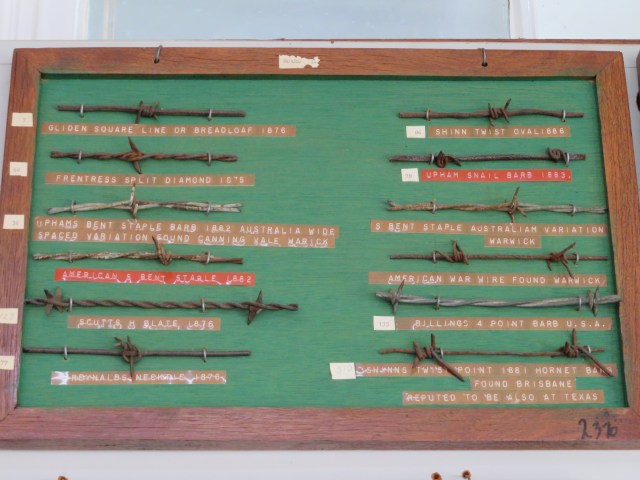
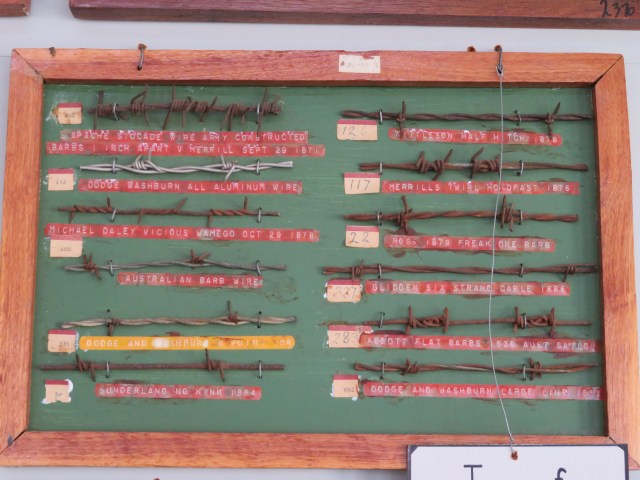
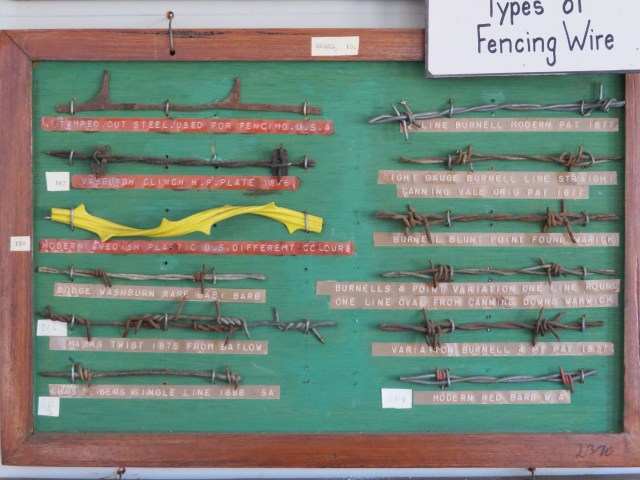
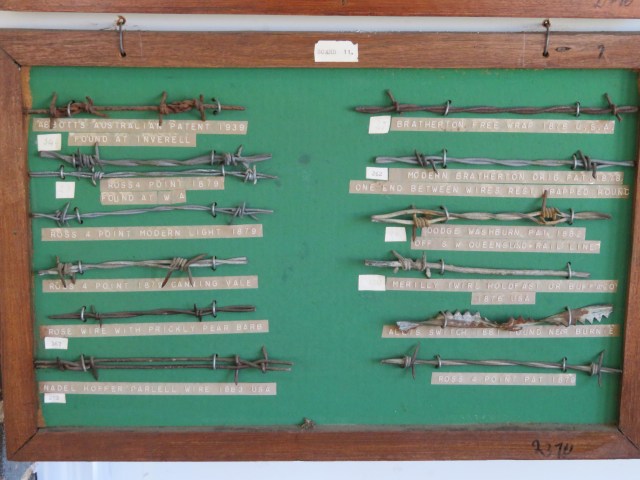
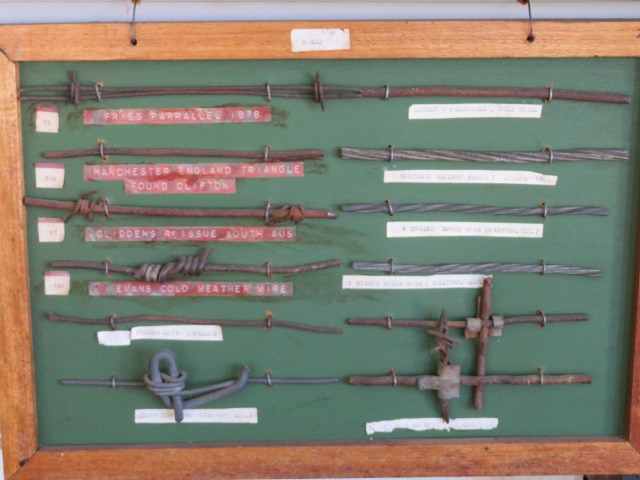
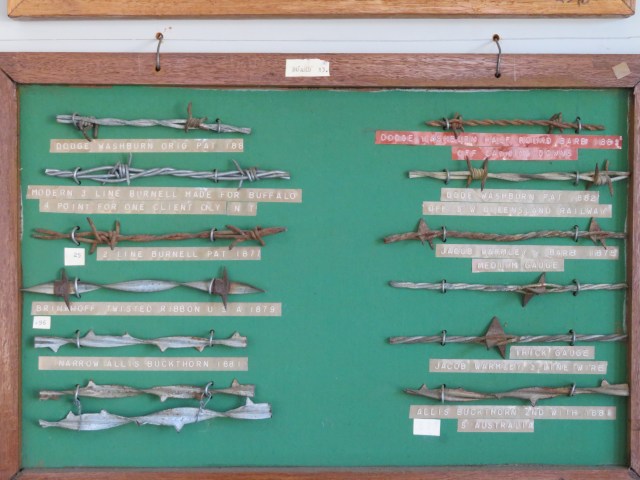
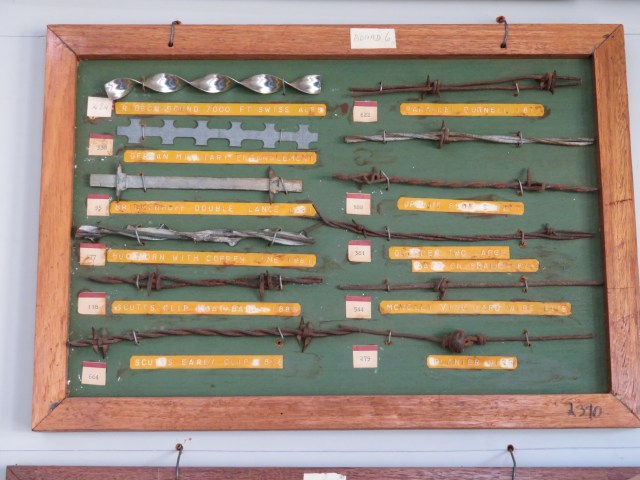
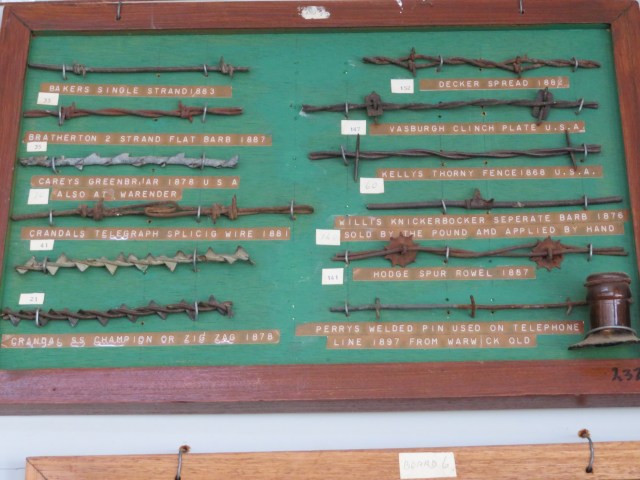
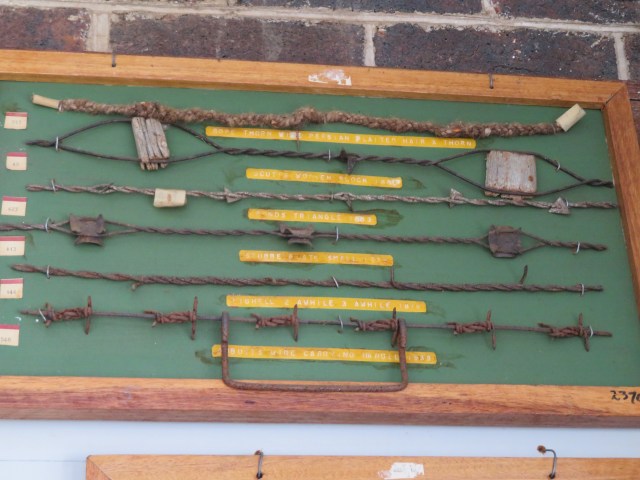
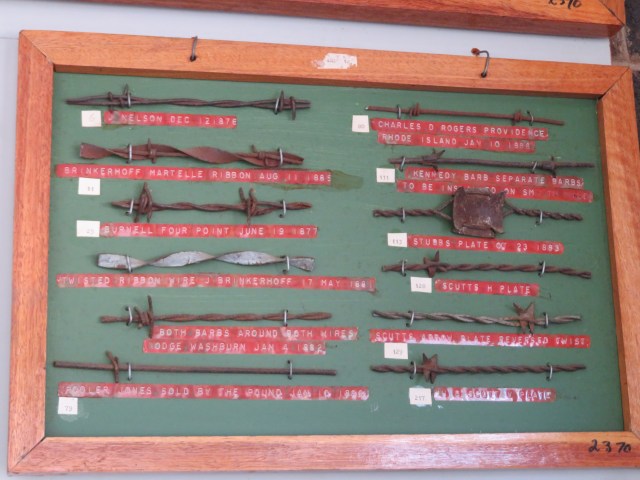
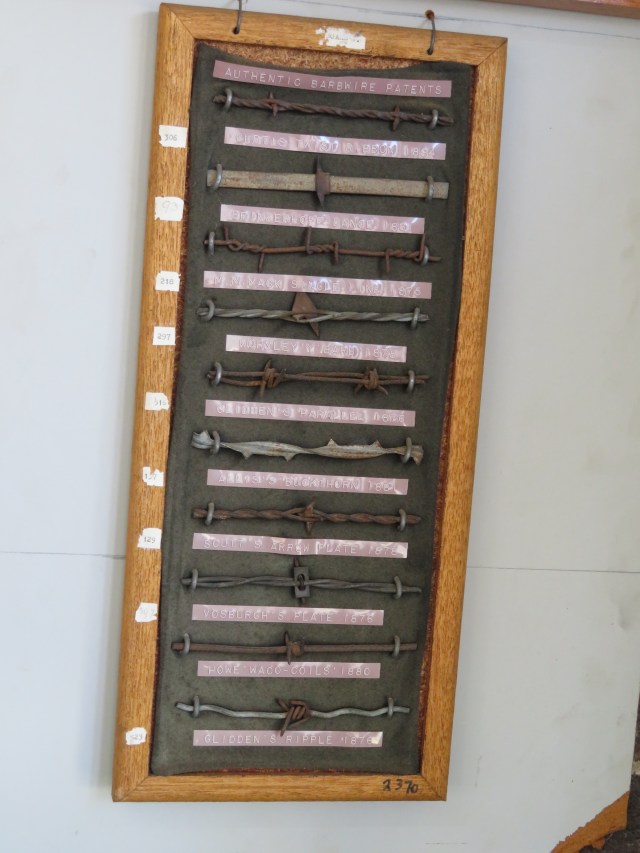
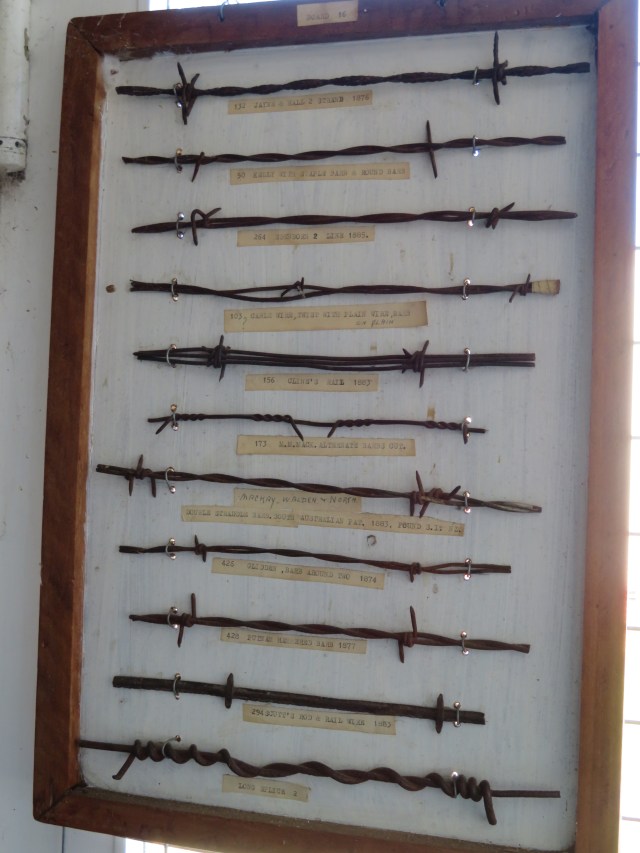
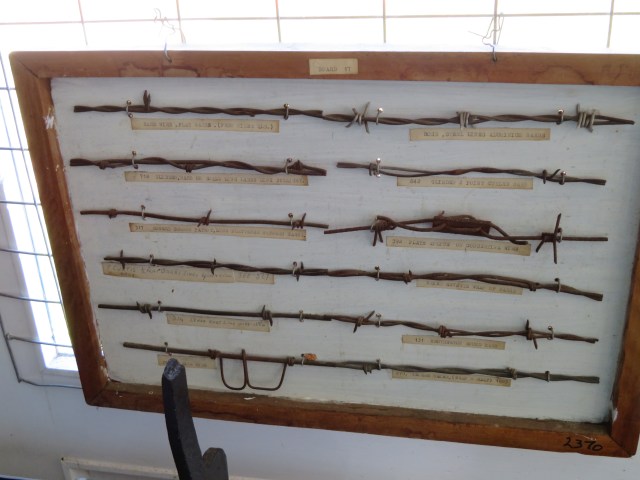

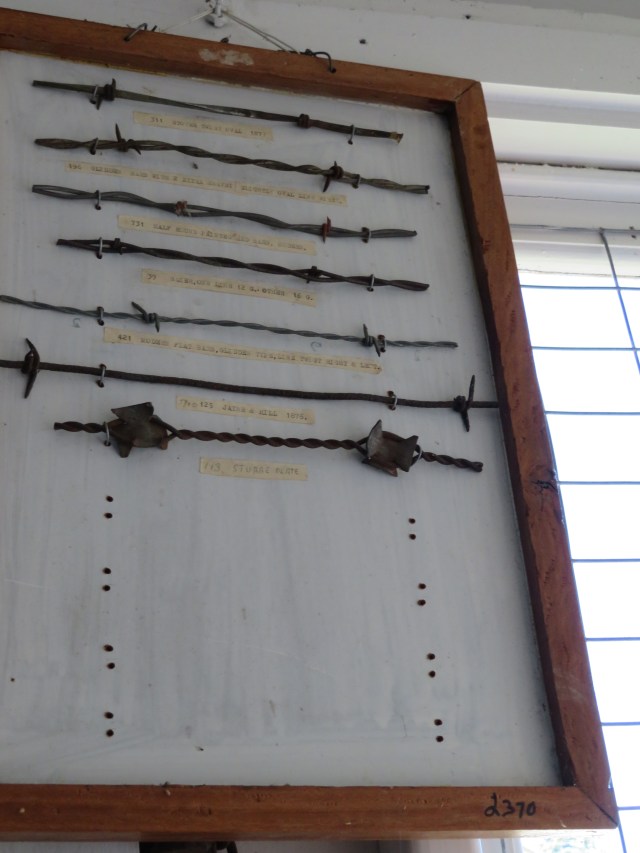
Did you spot the home-made one with pins and a broken bottle?
They also had barbed wire set in a toilet seat for some reason.


A stapling machine:
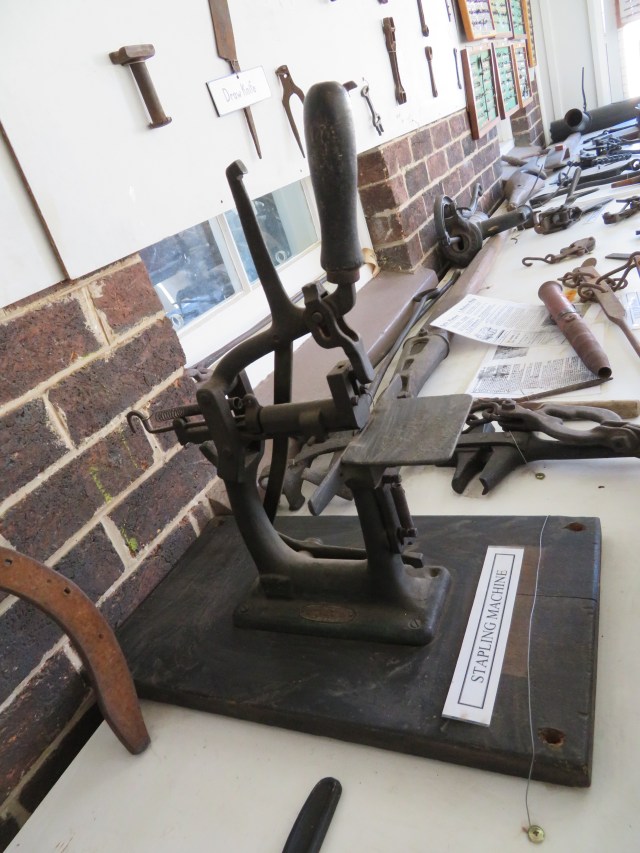
Very different to what we have now, huh?
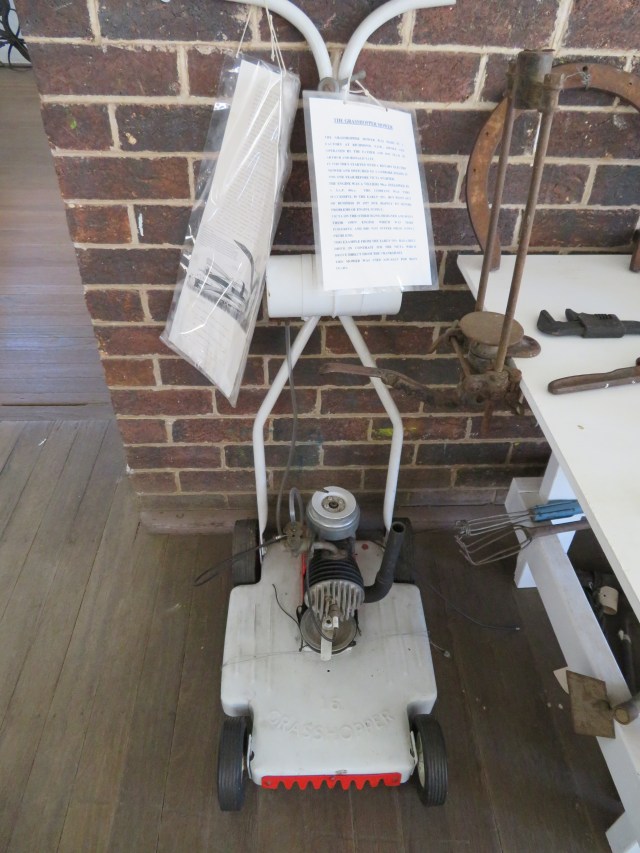
The Grasshopper, an early electric lawnmower:
The actual museum used to be a hospital – this is the remnant of a fitting from an old gas light, and the white marks on the brick are where people struck matches to light it.
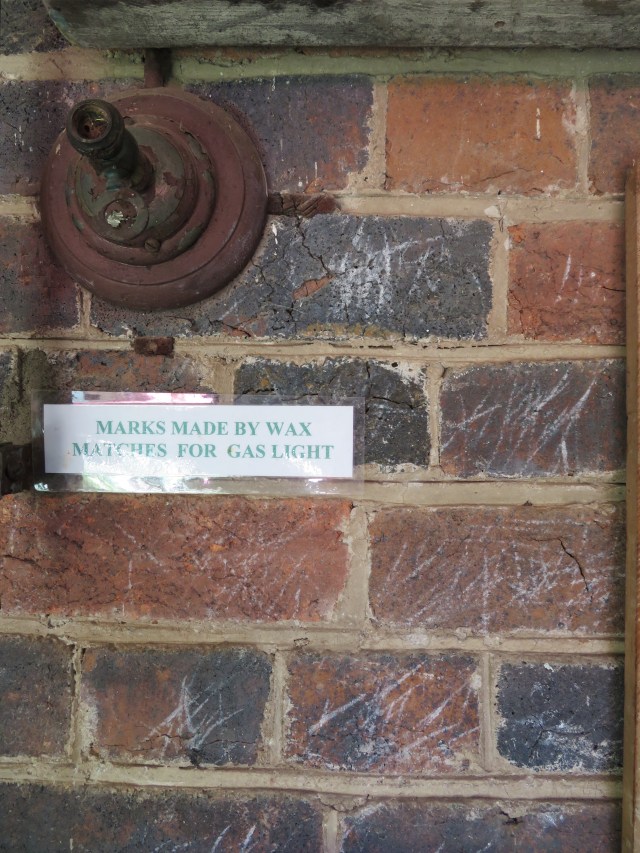
I always find things like this – little pieces of life – the most interesting.
A chest of drawers made out of kerosene tins:
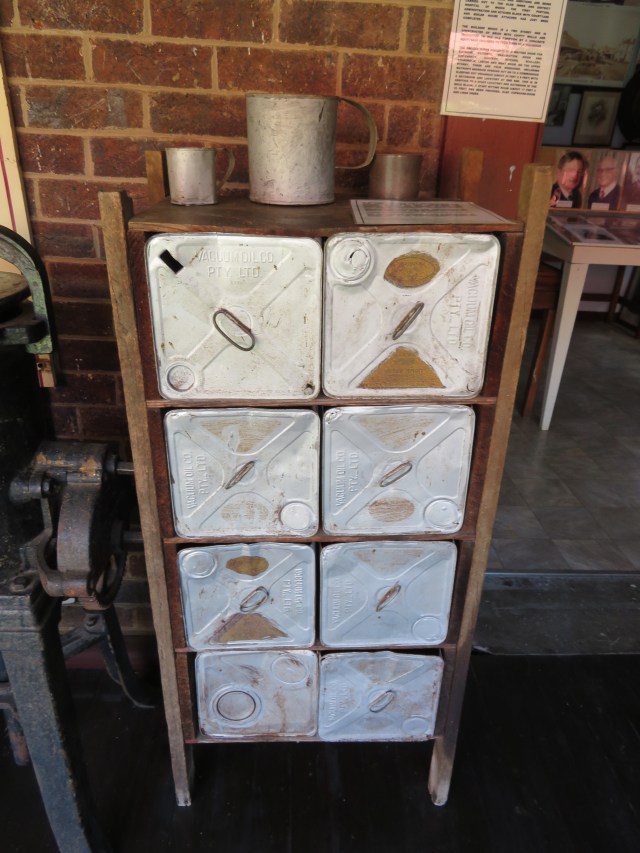
Though I do like these ‘make-do’ stuff as well.
Another use of the kerosene tin – a washing up sink:
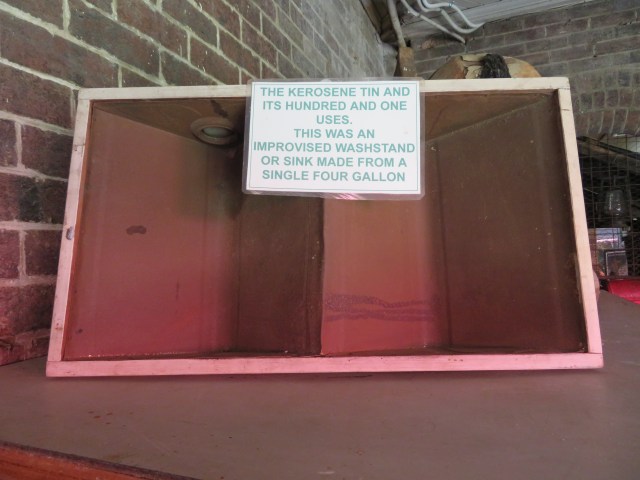
The dishes would be washed in one half and left to dry in the other.
The stove that used to serve the hospital:
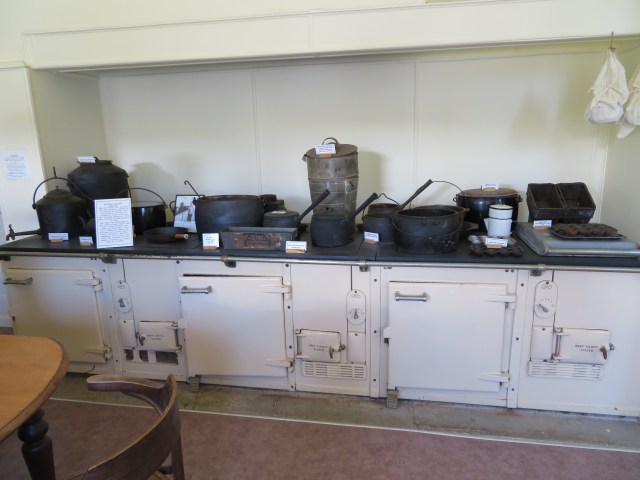
It’s actually three stoves bolted together, and reportedly capable of cooking food for 130-150 people.
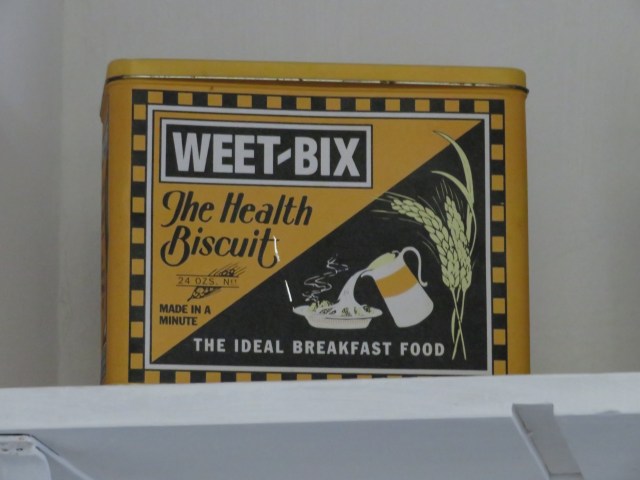
Another familiar name (but not the family one this time):
A pot for boiling water:
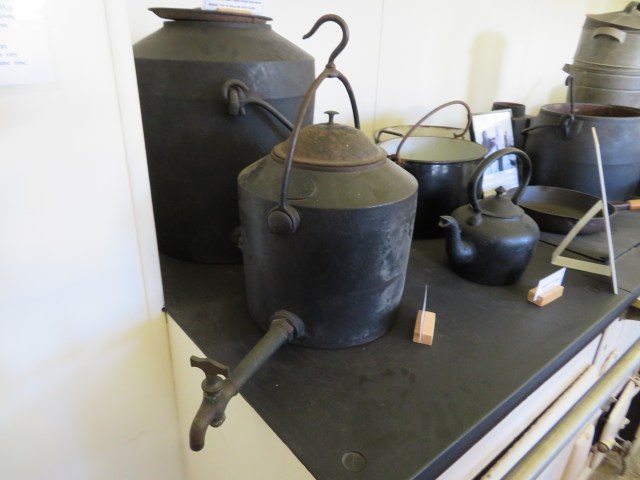
I love the tap on the side. Though you’d probably need a glove or something to turn it – I’m sure it got very hot.
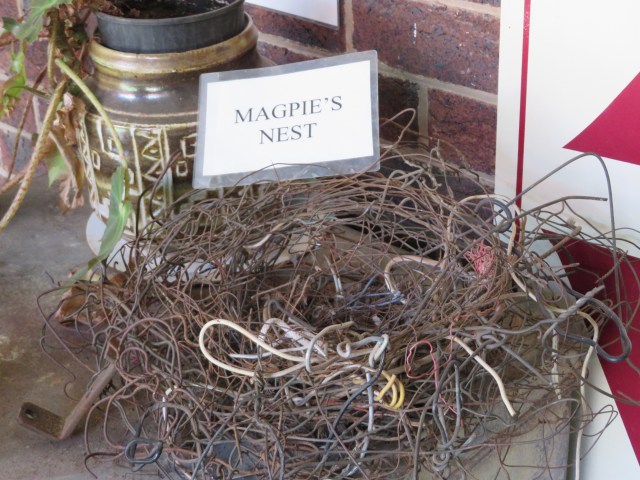
A magpie nest made out of wire:
A motor for making carbonated drinks (it pressurised carbon dioxide and pumped it through the liquid to make bubbles):
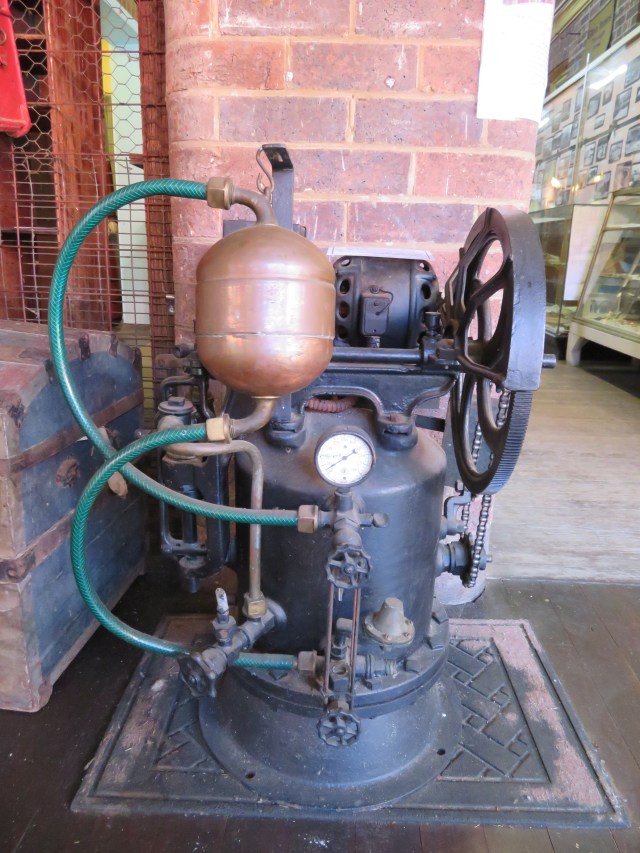
This one in particular is from Hunt’s Café, circa 1914.
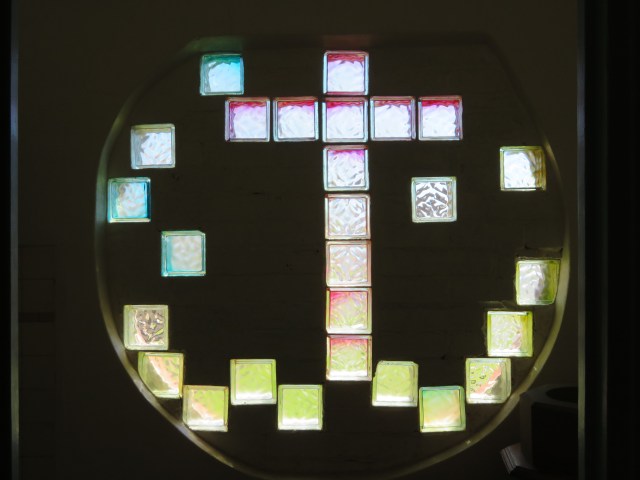
A glass brick window that used to be in the Glen Innes Methodist Church:
Church bell:

This bell came from the first church built in the northern New England area in 1855
An 1848 wedding frock:

This might have been influenced by Eastern immigrants to the area – red is a traditional wedding colour in those cultures.
An infant respirator:
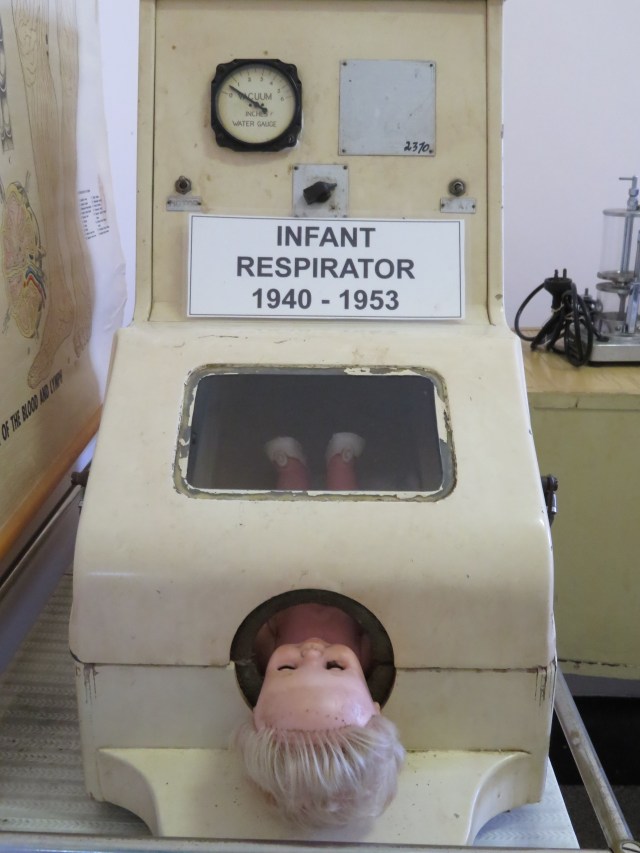
Complete with doll to show you how it worked.
Anaesthetic machines:


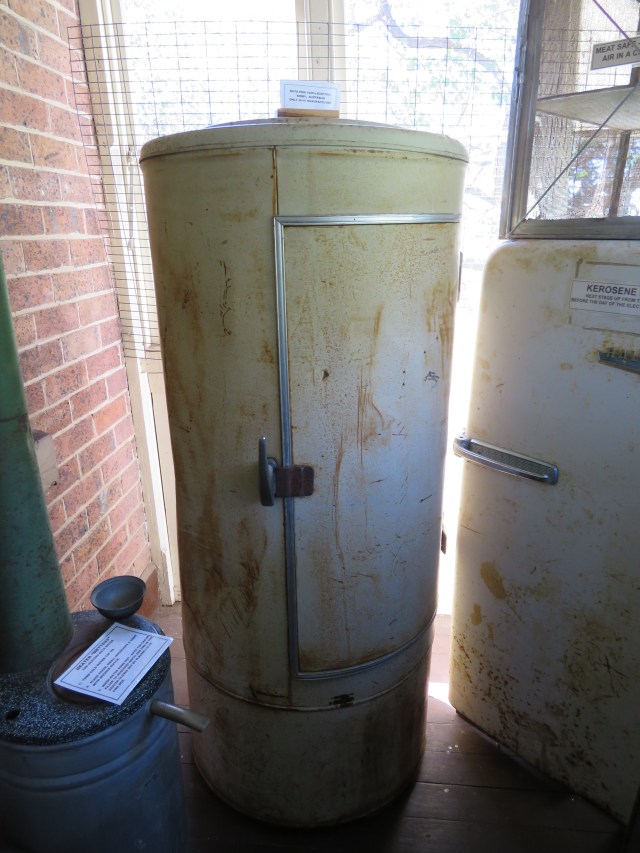
One of the first electric fridges:
Logarithim calculator:

This looks like a watering can, right?
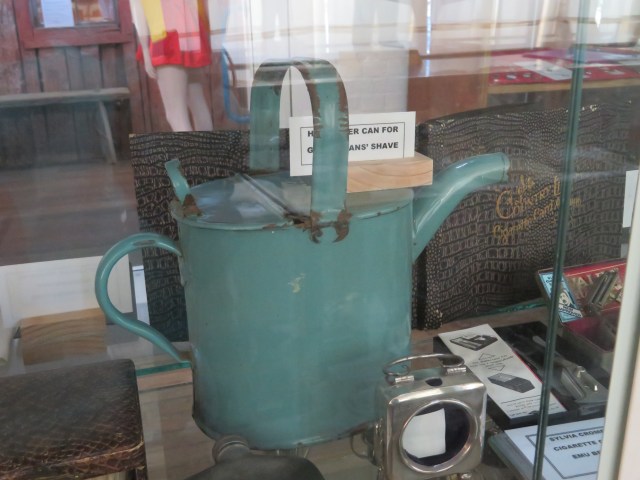
Apparently it was used in barber shops – it contained hot water, and was used in shaving.
The Glen Innes district tartan:
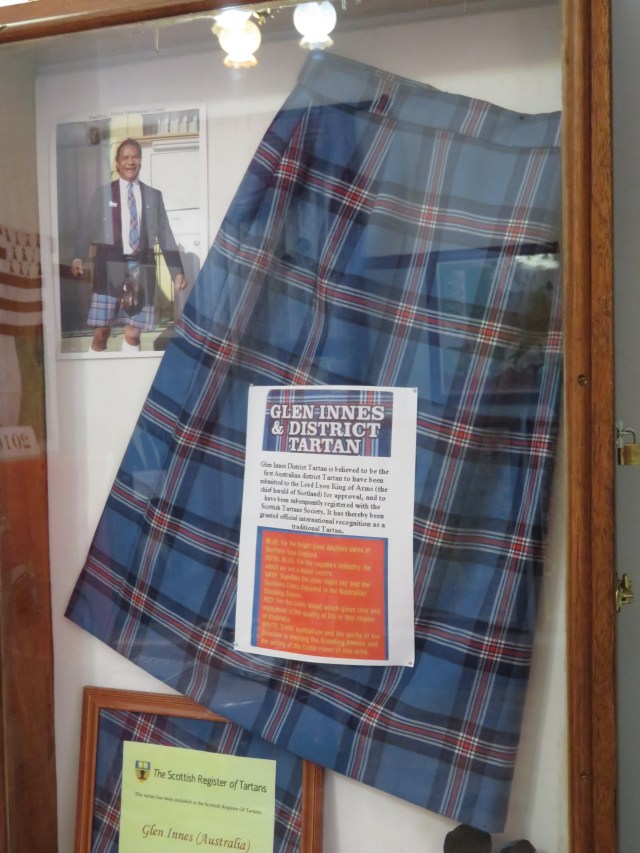
This was supposedly the first Australian Tartan to be registered with the Scottish Tartans Society.
Fireman’s house bells:

This little set-up was installed in the house of every firefighter, and the bell could be triggered by a switch at the firehouse.
After that, I went to the standing stones.


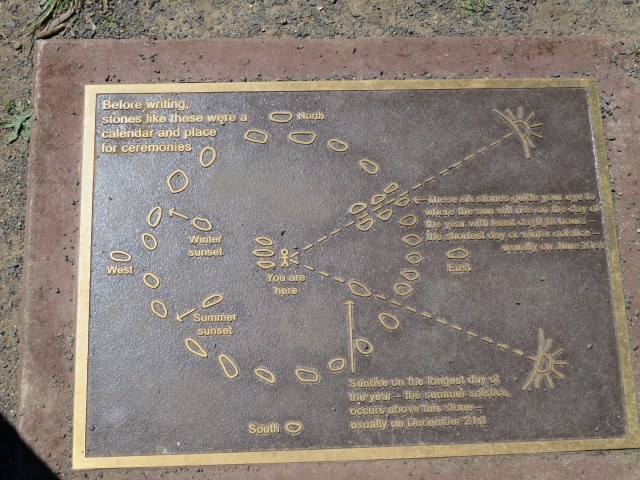
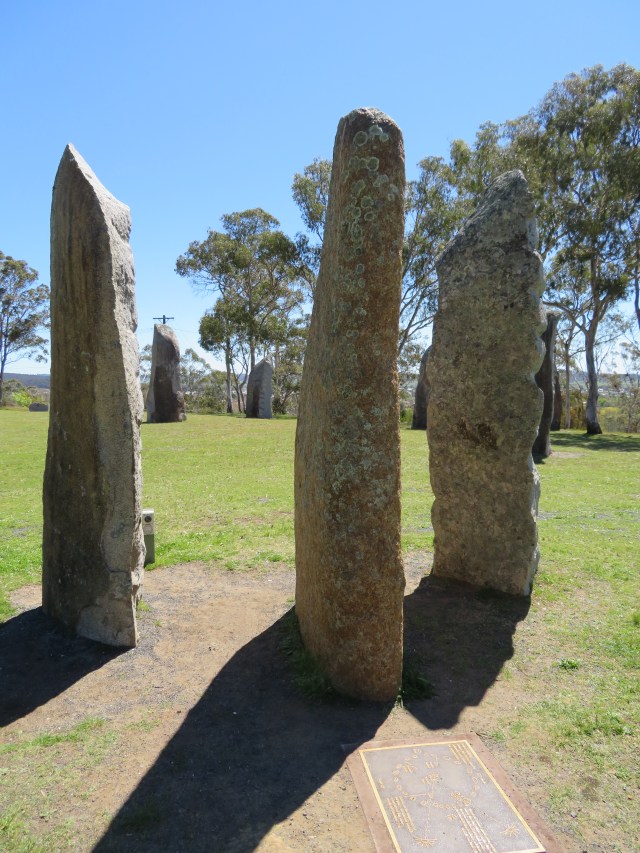
They had an informative plaque, which was nice:
The winter solstice stones:
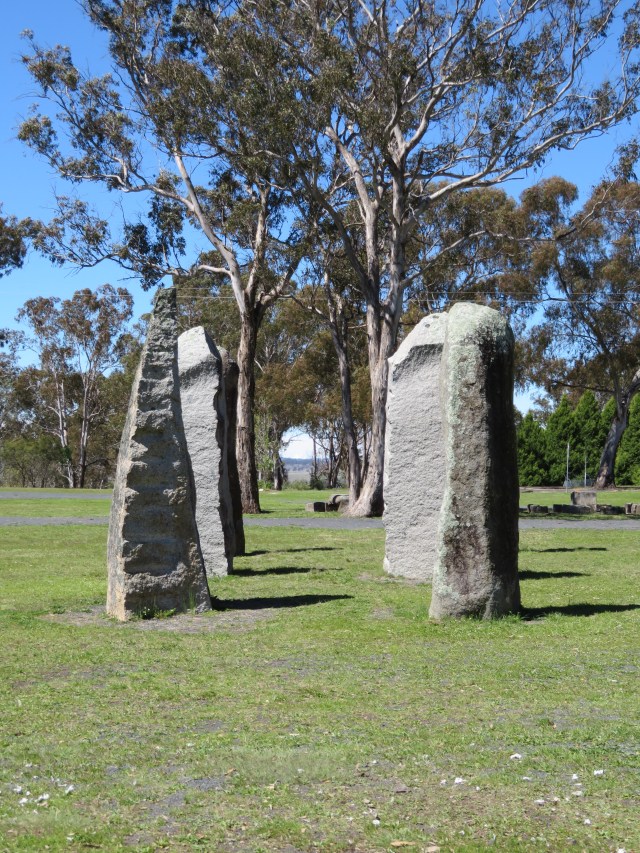
The summer solstice stone:
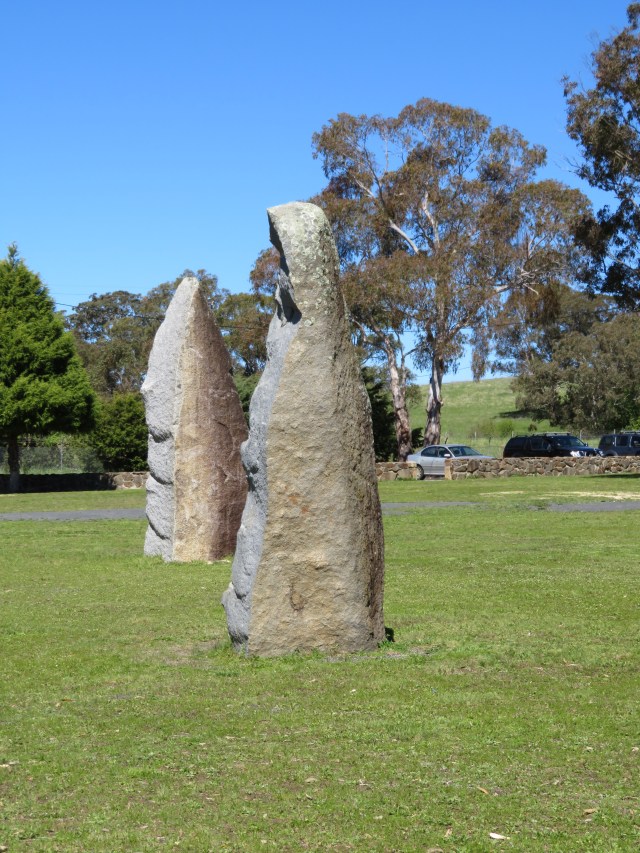
The three centre stones:
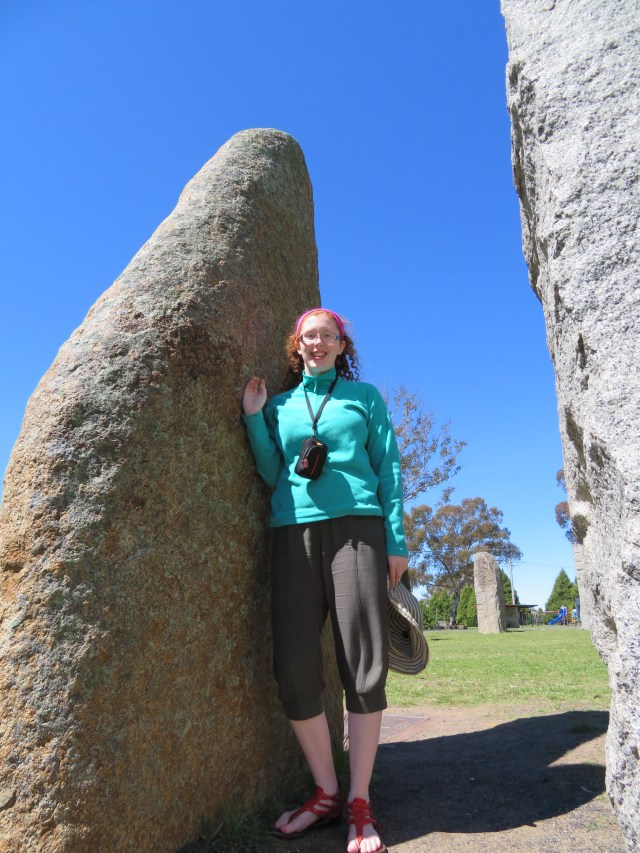
Me with the central stone to give it some scale:
And the standing stones weren’t the only things in the park. There were lots of other Celtic references.
The Celtic family wall:
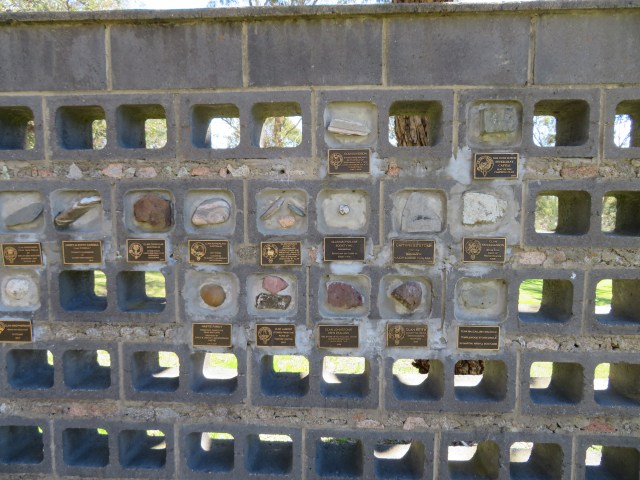
It holds stones from Celtic places – I took photos of some of them:


Excalibur:
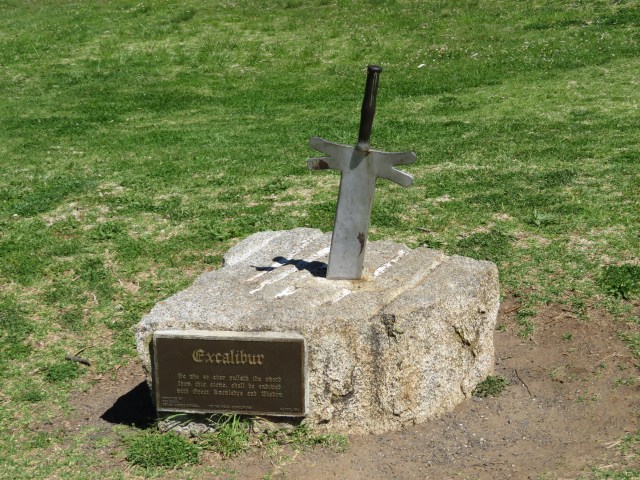
The plaque says ‘He who so ever pulleth the sword from this stone shall be endowed with Great Knowledge and Wisdom’. Nothing about being king, but apparently the Knowledge and Wisdom will be so Great they’re worthy of capitals. I gave it a shot:
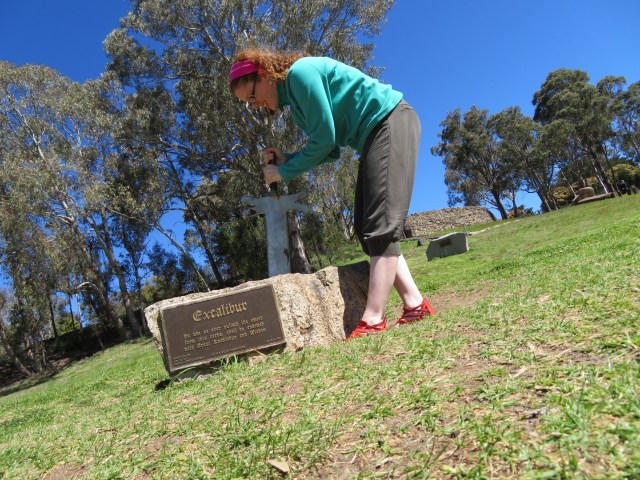
No luck. Apparently Great Knowledge and Wisdom will have to wait for another day.
I had lunch at this little café next to stones:
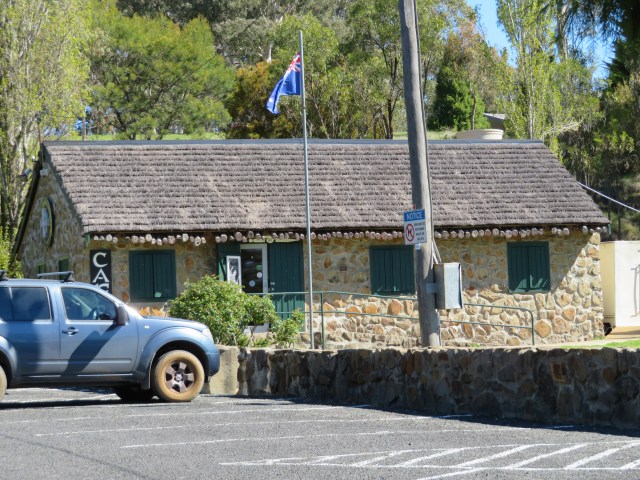
And I managed to get this photo of a beautiful eastern rosella on the way out:
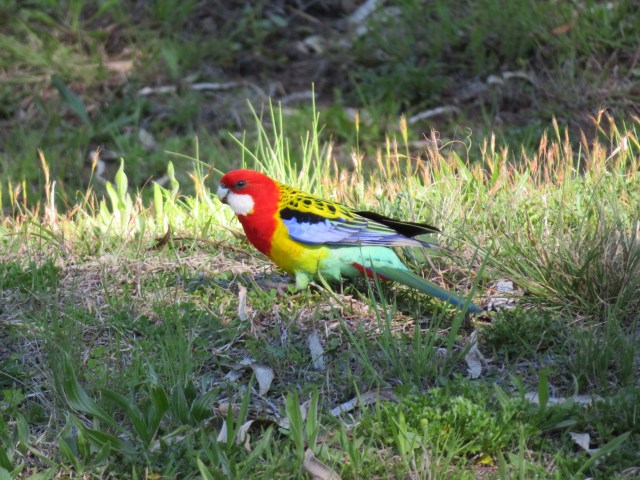
Then I headed off to buy milk before I went home to Turtle Shell.
 Jenny's Adventures
Hey! You’re living MY dream! Loving the Whyte references, particularly with Young! Must tell Martin about that. Those Standing Stones are a good reason to stop next time through GI!
LikeLike
Yeah, it was a bit of a surprise to find our family name there. The Standing Stones are great, and it’s a nice place for a picnic lunch.
LikeLike
Great stuff – insane amount of barbed wire types
LikeLike
My favourite was the one I mentioned with the broken bottle. Not ‘wire’ perhaps, but it’s certainly sharp!
LikeLike